
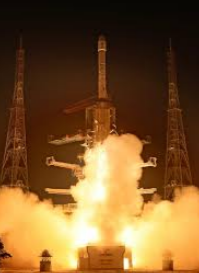
GSLV-F18 (What is it?)
- GSLV-F18 is a mission of the Geosynchronous Satellite Launch Vehicle (GSLV) developed by the Indian Space Research Organisation (ISRO).
- GSLV is a three-stage launch vehicle designed primarily to place communication and other satellites into Geosynchronous Transfer Orbit (GTO).
- The F18 mission carried the NVS-03 satellite, part of India’s Navigation with Indian Constellation (NavIC) programme.
- The mission is significant for strengthening India’s indigenous navigation infrastructure.
Key Features of GSLV
- Launch vehicle: Three-stage configuration.
- First stage: Solid propellant with four liquid strap-on boosters.
- Second stage: Liquid propellant.
- Third stage: Cryogenic upper stage.
- Primary purpose: Launch heavier satellites into Geosynchronous Transfer Orbit.
- Cryogenic technology: Enables efficient high-energy propulsion required for placing heavier satellites into higher orbits.
Significance of GSLV-F18
1. Strengthening NavIC
- Supports the deployment of second-generation NavIC satellites.
- NVS-series satellites incorporate indigenous atomic clocks to improve technological self-reliance in navigation.
2. Strategic Autonomy
- Reduces dependence on foreign launch services for strategic satellite deployment.
- Strengthens India’s indigenous capabilities in satellite navigation and space technology.
3. Technological Advancement
- Demonstrates India’s capabilities in cryogenic propulsion and complex launch vehicle operations.
- Contributes to the development of advanced launch systems for future space missions.
Conclusion
GSLV represents India’s growing capabilities in heavy satellite launch technology and strategic space infrastructure. Its continued reliability is essential for strengthening NavIC and advancing India’s long-term space ambitions.
| This Concept has been discussed in the following article: ISRO’s Slow Recovery: Structural Challenges and the Need to Strengthen India’s Space Programme |