
Important for UPSC Prelims: Economy
What is the Reserve Bank of India (RBI)?
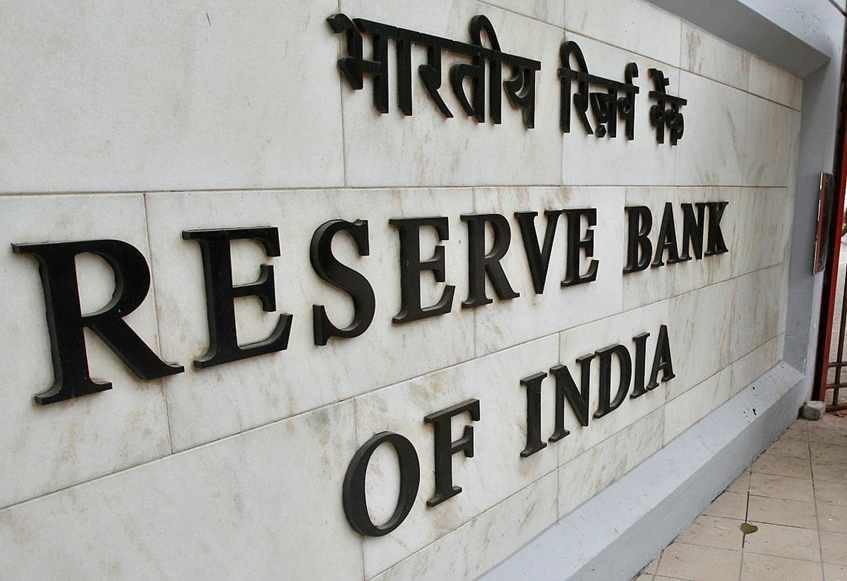
The Reserve Bank of India (RBI) is the central bank of India and the country’s apex monetary authority. It is responsible for regulating the monetary and financial system, issuing currency, supervising banks, managing foreign exchange reserves, and maintaining financial stability.
Establishment of RBI
- Established: 1 April 1935
- Legal Basis: Reserve Bank of India Act, 1934
- Established on the recommendation of the Hilton Young Commission (Royal Commission on Indian Currency and Finance, 1926).
- The concept of the RBI was influenced by Dr. B.R. Ambedkar’s book The Problem of the Rupee: Its Origin and Its Solution.
- Initially headquartered in Calcutta (now Kolkata) and shifted permanently to Mumbai in 1937.
- Nationalised on 1 January 1949; before that, it was privately owned.
- First Governor: Sir Osborne Smith
- First Indian Governor: C. D. Deshmukh
Objectives of RBI
As stated in the Preamble of the RBI Act, the RBI aims to:
- Regulate the issue of banknotes.
- Maintain monetary and financial stability.
- Manage the country’s currency and credit system.
- Maintain price stability while supporting economic growth.
Organisation Structure
The RBI is governed by the Central Board of Directors, appointed by the Government of India under the RBI Act, 1934, for a four-year term.
Composition
- One Governor
- Up to Four Deputy Governors
- Ten Directors nominated by the Central Government
- Two Government Officials
- Four Directors representing the four Local Boards
Major Functions of RBI
1. Monetary Authority
- Formulates and implements India’s Monetary Policy.
- Controls inflation while promoting economic growth.
2. Issuer of Currency
- Sole authority to issue banknotes in India (except ₹1 notes and all coins, which are issued by the Government of India).
- Issues currency under the Minimum Reserve System and withdraws unfit notes from circulation.
3. Regulator and Supervisor of the Financial System
- Regulates banks, NBFCs and payment systems.
- Grants banking licences, conducts inspections and safeguards depositors’ interests.
4. Banker to the Government
- Acts as the banker, agent and financial adviser to the Central and State Governments.
- Manages government accounts, public debt and Ways and Means Advances (WMA).
5. Banker’s Bank
- Maintains the Cash Reserve Ratio (CRR) of scheduled banks.
- Provides emergency liquidity as the Lender of Last Resort (LOLR).
6. Manager of Foreign Exchange
- Manages India’s Foreign Exchange Reserves.
- Regulates foreign exchange transactions under the Foreign Exchange Management Act (FEMA), 1999.
7. Developmental Role
- Promotes financial inclusion, priority sector lending, digital payments, rural credit, financial literacy, and innovation in the financial sector.
Major Monetary Policy Instruments
The RBI regulates money supply, liquidity and inflation through the following tools:
- Repo Rate: Interest rate at which RBI lends short-term funds to commercial banks.
- Reverse Repo Rate: Interest rate at which RBI borrows surplus funds from banks.
- Cash Reserve Ratio (CRR): Percentage of deposits banks must keep as cash with the RBI.
- Statutory Liquidity Ratio (SLR): Percentage of deposits banks must maintain in liquid assets such as government securities.
- Open Market Operations (OMO): Buying or selling of government securities by the RBI to regulate liquidity.
- Bank Rate: Long-term rate at which RBI lends money to banks without any repurchase agreement.
Important RBI Publications
- Financial Stability Report (FSR)
- Monetary Policy Report (MPR)
- Annual Report
- Report on Trend and Progress of Banking in India
Conclusion
- The Reserve Bank of India (RBI) plays a pivotal role in maintaining monetary and financial stability in the country. Besides regulating banks and formulating monetary policy, its role has expanded significantly with the growth of the digital economy, making it a key institution in ensuring a stable, secure, and inclusive financial system.