
Introduction
Small Island Developing States (SIDS) are a distinct group of small island and low-lying coastal countries that face unique socio-economic and environmental vulnerabilities despite contributing minimally to global greenhouse gas emissions.
Key Features of SIDS
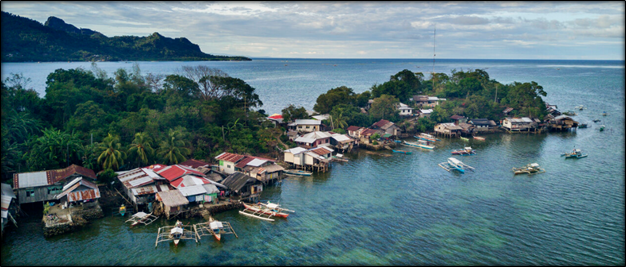
- Geographical characteristics: SIDS comprise small island nations located across the Caribbean, Pacific and Atlantic, Indian Ocean and South China Sea regions.
- Economic vulnerability: Their economies often depend heavily on tourism, fisheries, agriculture and external trade, making them vulnerable to global economic and environmental disruptions.
- Limited resource base: Small land areas, limited freshwater resources, narrow economic bases and dependence on imports constrain their developmental opportunities.
- Climate vulnerability: Their low-lying coastal territories make them particularly susceptible to sea-level rise, coastal erosion, cyclones and ocean warming.
- Limited adaptive capacity: Financial constraints, inadequate infrastructure and technological limitations reduce their ability to respond effectively to climate-related disasters.
Major Climate Change Challenges Faced by SIDS
1. Sea-level rise: Rising sea levels cause coastal inundation, land loss, saltwater intrusion and threats to human settlements.
2. Extreme weather events: Tropical cyclones, storm surges and coastal flooding frequently damage infrastructure, livelihoods and economic activities.
3. Threat to freshwater security: Saltwater intrusion into groundwater reserves reduces the availability of safe drinking water and affects agricultural productivity.
4. Loss of biodiversity: Ocean warming, coral bleaching and ocean acidification threaten marine ecosystems, fisheries and biodiversity.
5. Climate-induced displacement: Environmental degradation and loss of habitable land may force communities to migrate, raising concerns regarding human rights, territorial sovereignty and statehood.
6. Economic insecurity: Climate-related disasters disrupt tourism, fisheries and agriculture, increasing poverty, unemployment and dependence on external assistance.
Major International Initiatives for SIDS
- Barbados Programme of Action (1994): Recognised the special developmental challenges and vulnerabilities of SIDS and called for international cooperation.
- Mauritius Strategy (2005): Strengthened the implementation of the Barbados Programme of Action through a comprehensive framework for sustainable development.
- SAMOA Pathway (2014): Established priorities for addressing the sustainable development challenges of SIDS, including climate resilience, disaster risk reduction and ocean conservation.
- Antigua and Barbuda Agenda for SIDS (ABAS, 2024): Provides a ten-year framework (2024–2034) for strengthening the resilience and sustainable development of SIDS.
- Paris Agreement (2015): Recognises the importance of climate adaptation and the particular vulnerabilities of developing countries, including SIDS.
- Loss and Damage Fund: Provides financial assistance to particularly vulnerable developing countries facing climate-related losses and damages.
Conclusion
SIDS represent one of the most vulnerable groups in the global climate crisis. Protecting their ecological security, economic resilience and territorial integrity requires climate justice, adequate international finance and stronger multilateral cooperation.
| This Concept has been discussed in the following article: COP31 and Global Climate Governance: From Lofty Commitments to Delivery of Climate Finance and Action |