
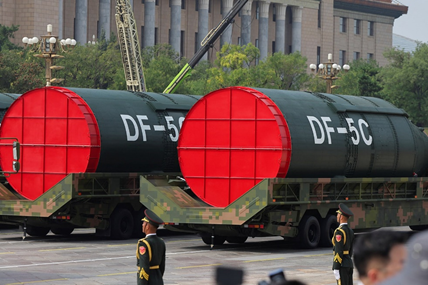
Treaty on the Non-Proliferation of Nuclear Weapons (NPT) (What is it?)
- The NPT is an international treaty aimed at preventing the spread of nuclear weapons, promoting peaceful uses of nuclear energy and advancing nuclear disarmament.
- It was opened for signature in 1968 and entered into force in 1970.
- It is based on three pillars: Nuclear Non-Proliferation, Nuclear Disarmament and Peaceful Uses of Nuclear Energy.
- The treaty recognises five Nuclear-Weapon States (NWS): China, France, Russia, the United Kingdom and the United States.
- It is an indefinite-duration treaty following its extension in 1995.
- The International Atomic Energy Agency (IAEA) plays a key role in verifying compliance with nuclear safeguards obligations.
Objectives of NPT (Why is it important?)
1. Nuclear Non-Proliferation: Prevents the spread of nuclear weapons and related technologies to non-nuclear-weapon states.
2. Nuclear Disarmament: Commits parties to pursue negotiations in good faith on effective measures for nuclear disarmament.
3. Peaceful Use of Nuclear Energy: Recognises the right of all parties to develop and use nuclear energy for peaceful purposes, subject to treaty obligations.
Key Features of NPT
1. Classification of Nuclear States
- Recognises five Nuclear-Weapon States that manufactured and exploded a nuclear weapon or other nuclear explosive device before January 1, 1967.
- Other parties are classified as Non-Nuclear-Weapon States (NNWS).
- Non-nuclear-weapon states undertake not to acquire or manufacture nuclear weapons.
2. Safeguards and Verification
- Non-nuclear-weapon states are required to accept IAEA safeguards on their nuclear materials.
- IAEA safeguards help verify that nuclear materials are not diverted towards nuclear weapons.
3. Peaceful Nuclear Cooperation
- Encourages international cooperation in the development and application of nuclear energy for peaceful purposes.
- Recognises access to nuclear technology subject to non-proliferation obligations.
4. Withdrawal Provision
- Under Article X, a member state can withdraw from the treaty if it decides that extraordinary events related to the treaty have jeopardised its supreme interests.
- The state must provide three months’ notice to all other parties and the UN Security Council.
5. Review Mechanism
- Review Conferences are held every five years to assess the treaty’s implementation.
- The 1995 Review and Extension Conference made the treaty indefinite.
Conclusion
The NPT remains the cornerstone of the global nuclear non-proliferation architecture. However, its effectiveness is challenged by unequal nuclear obligations, slow progress in disarmament and the absence of universal participation. Strengthening verification and pursuing non-discriminatory nuclear disarmament are essential for its long-term credibility.
| This Concept has been discussed in the following article: Nuclear Risk Reduction: Need for a New Global Arms Control Framework |