
Important for GS Prelims (Economy)
Context
India is urgently prioritizing its critical mineral framework to reduce its 70% import dependence, mitigate supply chain vulnerabilities, and counter global monopolies amid surging clean-energy demands.
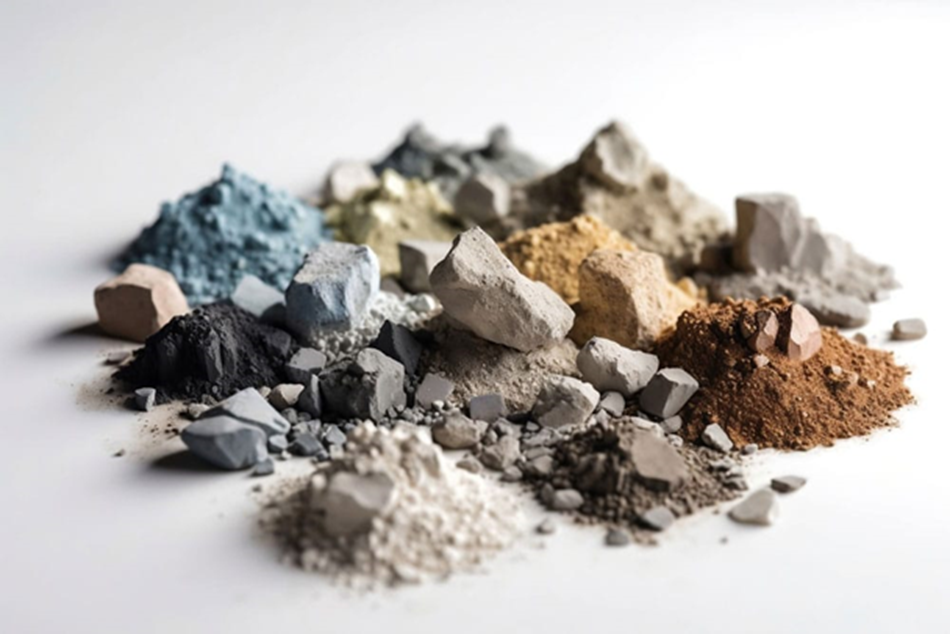
What is Critical Minerals
- A critical mineral is a metallic or non-metallic element essential for modern technology, economic growth, and national security, characterized by high supply disruption risks.
- The classification of criticality is tailored by individual nations based on their specific industrial structures, strategic priorities, and technological requirements.
India’s Critical Minerals Framework
- The Ministry of Mines officially released India’s first comprehensive report, identifying a total of 30 critical minerals essential for domestic industries.
- The identified list includes Antimony, Beryllium, Cobalt, Copper, Gallium, Graphite, Lithium, Nickel, Rare Earth Elements (REE), Silicon, Titanium, Tungsten, and Vanadium, among others.
- These minerals are vital for clean energy technologies, particularly electric vehicles, wind turbines, and solar photovoltaics.
- They also form the foundational raw materials for advanced manufacturing, semiconductor fabrication, and critical defense applications.
Key Government Interventions
- Legislative Action: The MMDR Amendment Act, 2023 officially permits the commercial exploration and mining of critical minerals.
- Economic Push: The Union Budget 2024-25 eliminated customs duties on major critical minerals and backed the National Critical Mineral Mission (NCMM).
- Domestic Discoveries: The Geological Survey of India (GSI) is driving local exploration, highlighted by the 2023 discovery of lithium reserves in Reasi, J&K.
- Overseas Acquisition: Khanij Bidesh India Limited (KABIL) is mandated to secure global mineral assets, establishing active engagements in Argentina and Australia.
- Multilateral Partnerships: India joined the US-led Minerals Security Partnership (MSP) in 2023 to integrate into resilient, diversified global supply chains.
Major Bottlenecks & Strategic Vulnerabilities
- India remains highly vulnerable to supply shocks, importing 80% of its lithium and 85% of its cobalt directly from China.
- Global extraction and processing capacities are heavily monopolized, with China controlling nearly 90% of global rare-earth processing.
Conclusion
- Securing a robust critical mineral ecosystem is vital for India’s clean energy transition and long-term technological self-reliance. By accelerating domestic exploration and leveraging global alliances like the MSP and KABIL, India can effectively mitigate import vulnerabilities and build a resilient economy.