
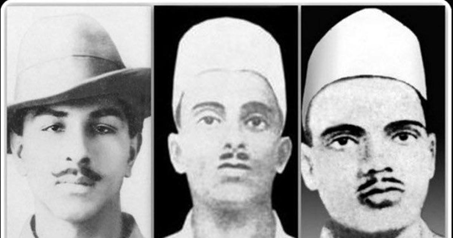
About the Lahore Conspiracy Case
- The Lahore Conspiracy Case (1929–1930) was a landmark trial conducted by the British colonial government against Bhagat Singh and other revolutionaries associated with the Hindustan Socialist Republican Association (HSRA).
- Background: The case was primarily associated with the killing of British police officer J. P. Saunders in Lahore in December 1928.
- Associated Organisation: Hindustan Socialist Republican Association (HSRA).
- Key Revolutionaries: Bhagat Singh, Sukhdev Thapar and Shivaram Rajguru.
- Trial Proceedings: Initially conducted before a magistrate in July 1929.
- Special Tribunal: Established through Ordinance III of 1930, promulgated by Viceroy Lord Irwin on 1 May 1930.
- Judgement: Delivered on 7 October 1930, sentencing Bhagat Singh, Sukhdev and Rajguru to death.
- Execution: The three revolutionaries were executed on 23 March 1931 at Lahore Central Jail.
Major Events Associated with the Case
- Saunders’ Assassination (1928): J. P. Saunders was killed in Lahore in December 1928 following the death of Lala Lajpat Rai after a police lathi charge during protests against the Simon Commission.
- Assembly Bomb Incident (1929): Bhagat Singh and Batukeshwar Dutt threw bombs in the Central Legislative Assembly on 8 April 1929 and were arrested.
- Hunger Strike (1929): Revolutionaries in prison undertook a hunger strike demanding better treatment and recognition as political prisoners.
- Death of Jatindra Nath Das: He died on 13 September 1929 following a prolonged hunger strike in jail.
Significance
- Highlighted the role of revolutionary nationalism in India’s freedom struggle.
- Brought the activities and ideology of HSRA into national public attention.
- Highlighted concerns regarding colonial judicial procedures and the use of special tribunals.
- Bhagat Singh, Sukhdev and Rajguru became enduring symbols of revolutionary resistance against British rule.
Conclusion
The Lahore Conspiracy Case catalyzed a decisive ideological shift in the Indian independence movement, elevating the demand for Purna Swaraj over mere dominion status. Ultimately, the martyrdom of Bhagat Singh and his comrades immortalized the revolutionary spirit, leaving an enduring legacy of uncompromising resistance against colonial rule.
| This Concept Has Been Mentioned In The Article: Kartar Singh Sarabha |