
Important for GS Prelims: Environment
About Sundarbans
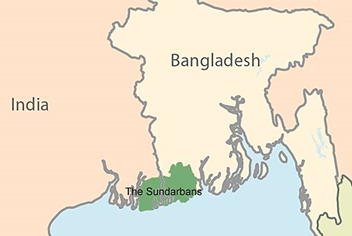
- The Sundarbans is the world’s largest contiguous mangrove forest, located in the delta of the Ganga, Brahmaputra, and Meghna rivers along the Bay of Bengal.
- It is spread across India (West Bengal) and Bangladesh, with about one-third lying in India.
- The name “Sundarbans” is derived from the Sundari (Heritiera fomes) tree, a dominant mangrove species.
Conservation Status
- UNESCO World Heritage Site (India): 1987
- UNESCO Biosphere Reserve: Recognised under the World Network of Biosphere Reserves.
- Ramsar Site: Sundarban Wetland (India)
- Tiger Reserve: Under Project Tiger
- National Park: Sundarbans National Park
- Biosphere Reserve: Sundarban Biosphere Reserve
Ecological Features & Adaptations
The Sundarbans is an ecotone—a transitional zone between marine and terrestrial ecosystems.
1.Flora (Vegetation)
- Halophytes: The vegetation consists of salt-tolerant plant communities adapted to survive regular tidal inundation.
- Sundari Trees (Heritiera fomes): The forest derives its name from this dominant mangrove species, which provides high-quality timber.
- Morphological Adaptations:
- Pneumatophores (Blind root extensions): Because the waterlogged soil lacks oxygen, roots grow vertically upward out of the mud to breathe air.
- Vivipary: Seeds germinate while still attached to the parent tree to prevent getting washed away or suffocated by the daily tides.
- Stilt Roots: Tangled, prop-like roots that anchor the trees firmly against powerful ocean waves and shifting mudflats.
2.Fauna (Wildlife)
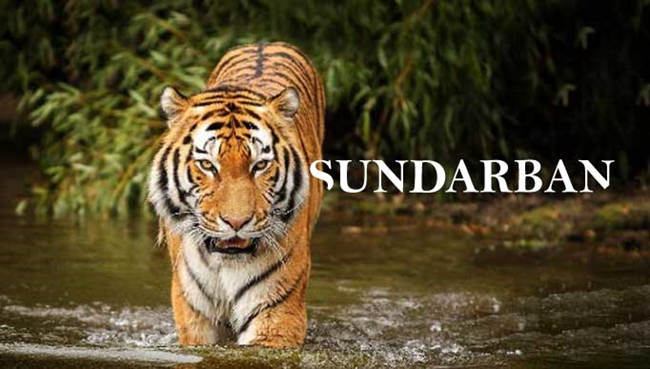
- Royal Bengal Tiger: The Sundarbans delta is the only mangrove forest in the world that serves as a habitat for tigers. These tigers are uniquely adapted to swimming in saline water channels.
- Key Species to Remember:
- Mammals: Fishing Cat (State animal of West Bengal), Gangetic Dolphin, Irrawaddy Dolphin.
- Reptiles & Amphibians: Estuarine (Saltwater) Crocodile, Water Monitor Lizard, King Cobra, and Olive Ridley Turtles.
- Avifauna: White-bellied Sea Eagle, Masked Finfoot, and various species of Kingfishers.
| Major Threats to Sundarbans | Government Initiatives for Protection |
| • Climate Change • Cyclones & Storm Surges • Coastal Erosion • Increasing Salinity • Habitat Degradation • Human–Wildlife Conflict • Illegal Fishing & Poaching • Pollution | • Project Tiger (1973) • MISHTI (Mangrove Initiative for Shoreline Habitats & Tangible Incomes) • National Coastal Mission (under NAPCC) • Sundarban Biosphere Reserve • CAMPA Funds • Sundarbans National Park • India–Bangladesh Cooperation |
Conclusion
The Sundarbans stands as the world’s largest transboundary mangrove delta and India’s largest Ramsar Site, uniquely harboring the globe’s only mangrove-adapted Royal Bengal Tiger population amidst rising climate and salinity threats.
| This concept has been elaborately discussed in the following article: Mangrove Restoration in Sundarbans: West Bengal’s Plan to Reclaim Encroached Forests |