
Context
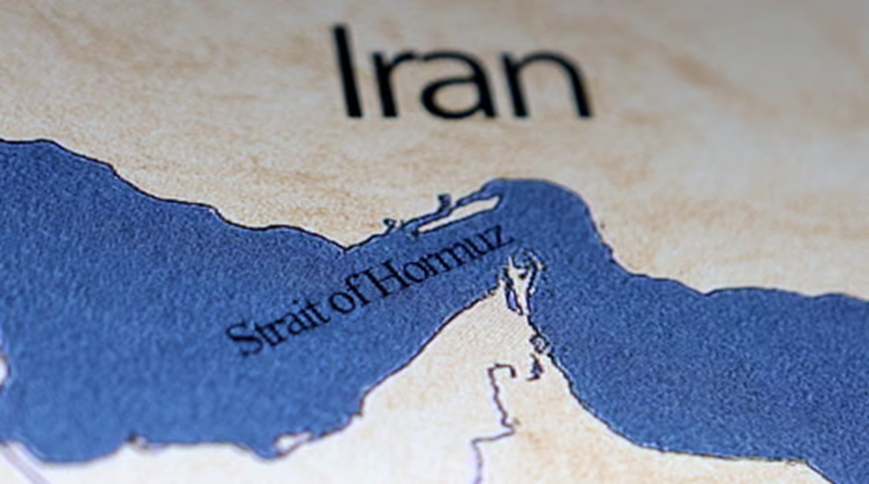
- Recently, the Union Minister of Petroleum and Natural Gas, Hardeep Singh Puri, briefed the media on India’s robust energy preparedness amidst escalating hostilities in West Asia and potential disruptions in the Strait of Hormuz.
- India has witnessed a significant strategic shift in its oil sourcing; while Russia remained a top supplier for much of 2025, imports from Russia fell to a 44-month low in January 2026 as India increased procurement from Saudi Arabia and the United States to balance geopolitical pressures and emerging trade frameworks.
1. High Import Dependency & The Energy Basket
- Crude Oil: India’s dependence on imported crude has climbed to a record 88.5% in FY 2025-26. This is driven by a steady 3-4% annual rise in fuel demand coupled with declining domestic production from mature fields.
- Natural Gas (LNG): India imports roughly 50% of its natural gas. The government is rapidly expanding regasification capacity, aiming for an 80% increase by 2026 to support the goal of a “Gas-based Economy” (targeting 15% share in the energy mix by 2030).
- LPG: India is the world’s second-largest LPG consumer. It imports over 60% of its LPG, with a historic first-ever long-term contract signed with the U.S. Gulf Coast in late 2025 to supply 10% of India’s annual requirement starting in 2026.
2. Strategic Shift in Import Destinations (2025-26)
| Destination | Current Status (2026) | Strategic Context |
| Russia | Significant Decline | Share fell to ~19% due to regulatory risks and a pivot toward U.S./Gulf sources. |
| Iraq | Top Supplier | Consistently India’s #1 or #2 source due to refinery compatibility and stable pricing. |
| Saudi Arabia | Major Rebound | Reclaimed a larger share (~17.5%) as India re-strengthened ties with OPEC+ leaders. |
| USA | Emerging Partner | Share rose to 6.8%; imports include crude oil, LNG, and now large-scale LPG. |
3. Energy Security: Strategic Petroleum Reserves (SPR)
India manages its vulnerability through a “9.5 + 64.5” day buffer system:
- Phase I (Completed): 5.33 MMT capacity in underground rock caverns at Visakhapatnam (AP), Mangaluru (KA), and Padur (KA). This covers roughly 9.5 days of India’s crude requirement.
- Phase II (Ongoing): Includes additional commercial-cum-strategic facilities at Chandikhole (Odisha) and a second unit at Padur.
- Institutional Framework: Managed by ISPRL (Indian Strategic Petroleum Reserves Ltd), a subsidiary of the Oil Industry Development Board (OIDB).
4. Economic Impact
- Current Account Deficit (CAD): Every $10/barrel increase in global crude prices typically widens India’s CAD by approximately $9 billion (0.4% of GDP).
- Trade Chokepoint: Over 50% of India’s crude and 60% of its LNG pass through the Strait of Hormuz. Any disruption here forces ships to take the longer Cape of Good Hope route, increasing freight costs by 3-5% and insurance premiums significantly.
5. Mitigation: Transitioning to Self-Reliance
- E20 Mandate: From April 1, 2026, the government has mandated a 20% Ethanol Blending (E20) in petrol nationwide. This is expected to save over ₹45,000 crore in foreign exchange annually.
- Green Hydrogen: Part of the National Green Hydrogen Mission to replace “Grey Hydrogen” in refineries and fertilizer plants, further cutting gas imports.
Q. Consider the following statements regarding India’s energy import profile in 2026:

1. From April 2026, India has mandated a nationwide 20% ethanol blending in petrol, aiming to reduce the volume of crude oil imports.

2. The United States has recently overtaken Iraq as India's largest supplier of Liquefied Petroleum Gas (LPG) through long-term structured contracts.

3. The Strategic Petroleum Reserves (SPR) are exclusively used for emergency military requirements and are managed by the Ministry of Defence.

How many of the statements given above are correct?
(a) Only one
(b) Only two
(c) All three
(d) None

Solution: (a) Only one

•	Statement 1 Is Correct: The government has officially mandated E20 (20% ethanol blend) across all states and UTs starting April 1, 2026, to curb the import bill and lower emissions.
•	Statement 2 Is Incorrect: While India signed its first major structured LPG contract with the U.S. in late 2025, the U.S. supplies roughly 10% of India's LPG. The majority still comes from traditional West Asian sources like Saudi Arabia and Qatar.
•	Statement 3 Is Incorrect: The SPRs are managed by ISPRL under the Ministry of Petroleum and Natural Gas, not the Ministry of Defence. They are intended for national energy security during supply disruptions, covering both civilian and strategic