
After Reading This Article You Can Solve This UPSC Mains Model Question:
“The replacement of sedition law under Section 124A IPC with Section 152 of the Bharatiya Nyaya Sanhita raises significant constitutional and democratic concerns.” Discuss in the light of recent Supreme Court observations on free speech and civil liberties. 15 Marks (GS-2 Polity)
Introduction
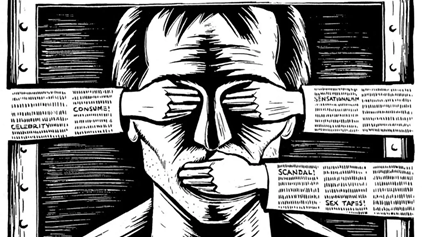
The offence of sedition, earlier codified under Section 124A of the Indian Penal Code (IPC), has historically been used by the Indian state to suppress dissent and criticism against the government. In 2024, the provision was effectively replaced by Section 152 of the Bharatiya Nyaya Sanhita (BNS), raising concerns that sedition survives under a new legal framework.
Background of Sedition Law
Colonial Origin
- Sedition law was introduced by the British colonial government to suppress nationalist movements.
- Prominent freedom fighters like Bal Gangadhar Tilak and Mahatma Gandhi were prosecuted under it.
- Gandhi described sedition as the “prince among the political sections of the IPC”.
Constitutional Status of Sedition Law
Article 19(1)(a)
- Guarantees freedom of speech and expression.
Article 19(2)
- Permits reasonable restrictions in the interests of:
- Sovereignty and integrity of India
- Security of the state
- Public order
- Incitement to offence
Judicial Interpretation
In Kedar Nath Singh vs State of Bihar, the Supreme Court upheld sedition law but restricted its application only to:
- Incitement to violence
- Public disorder
- Threat to state security
Bharatiya Nyaya Sanhita (BNS), 2024
Section 152 of BNS
- Replaced Section 124A IPC.
- Criminalises acts endangering:
- Sovereignty
- Unity
- Integrity of India
Concerns
- Broad and vague wording.
- Fear that sedition has merely been renamed.
- Minimum punishment increased to 7 years.
Major Issues and Criticism of Sedition Law
- Forced Choice for the Poor: Trapped prisoners are forced to “agree” to a trial under an unfair law just to avoid sitting in jail indefinitely waiting for a final decision.
- Wealth vs. Justice: Richer individuals can afford expensive lawyers to get bail and wait outside, while poorer people are stuck inside, making freedom depend on money rather than fair rules.
- Jail Becomes the Rule: The court’s new order goes against its own standard principle that “bail should be the rule and jail the exception” by not automatically offering bail to those facing trial.
- Weapon for the State: By keeping the law in a confusing legal limbo, bad-faith government actors are given a free pass to use endless delays as a tool to lock up critics.
- Judicial Shifting of Burden: Instead of doing its duty to decide once and for all if this law violates free speech, the Supreme Court has passed the heavy burden of dealing with it onto the accused.
Way Forward
- Decide Once and for All: The Supreme Court needs to stop delaying and make a clear, final decision on whether criminalizing dissent is constitutional.
- Give Bail Automatically: Anyone being tried under this contested law should be given automatic bail so that they do not have to wait out the trial inside a prison.
- Provide Strong Free Lawyers: The government must give poor prisoners excellent, free legal help so they cannot be pressured or tricked into accepting unfair trials.
- Stop the New Version (BNS): Parliament needs to review Section 152 of the new law to ensure it isn’t just using a new name to lock up people for peaceful criticism.
- Punish Bad-Faith Actions: Clear penalties should be introduced for police officers or state actors who intentionally use these laws to wrongfully silence citizens.
Conclusion
To safeguard Article 19(1)(a), the judiciary must decisively eliminate colonial-era remnants. Embracing a rigid ‘bail is the rule’ doctrine will prevent executive weaponization, ensuring India’s democratic progression balances national security with vibrant, unimpeded civil liberties.