
After Reading This Article You Can Solve This UPSC Mains Model Question:
India’s engagement with Taliban-ruled Afghanistan reflects the challenge of balancing strategic pragmatism with normative concerns. Examine. 15 Marks (GS 2, International Relation)
Context
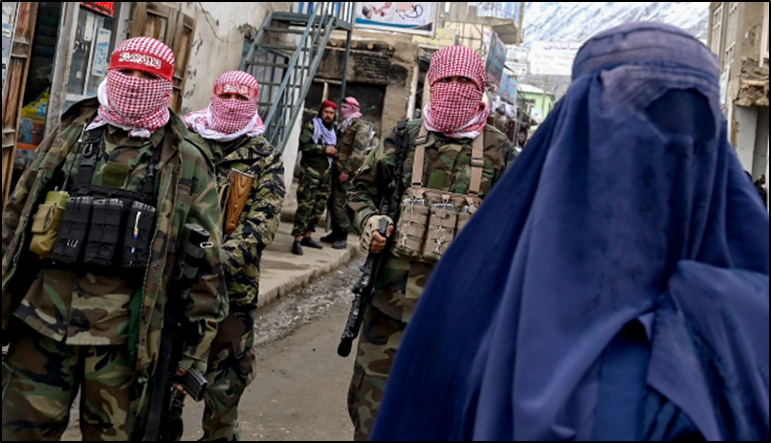
Five years after the Taliban’s return, Afghanistan reflects a paradox of relative stability but persistent isolation, humanitarian distress and social regression.
For India, developments in Afghanistan directly affect counter-terrorism, regional balance and connectivity to Central Asia.
INTRODUCTION
Afghanistan under the Taliban reflects a “stability without inclusivity” paradox—relative peace, territorial control and economic stabilisation coexist with political exclusion, restrictions on women and minorities, and humanitarian distress.
The central challenge is to transform de facto stability into inclusive, legitimate and sustainable governance.
Background: From the Great Game to Taliban 2.0
Brief timeline
- 1996: Taliban establish the Islamic Emirate of Afghanistan.
- 2001: U.S.-led intervention following the 9/11 attacks.
- 2001–2021: Western-backed Afghan Republic.
- 2020: Doha Agreement provides a framework for U.S. withdrawal.
- August 2021: Taliban return to power following the collapse of the Afghan Republic.
- 2021 onwards: Taliban 2.0 seek international legitimacy but resist fundamental domestic political reform.
Global normative framework
UNSC Resolution 2593 (2021) remains important because it emphasises:
- Afghan territory should not be used for terrorism;
- protection of human rights;
- rights of women, children and minorities;
- inclusive political settlement;
- rule of law.
Taliban 2.0: Stability with Regression
A. Areas of Relative Stability
1. Reduction in Internal Conflict: The end of large-scale fighting has brought greater internal security and reduced war-related disruption.
2. Improved Administrative Control: Centralised Taliban rule has established effective territorial control and a more unified administrative structure.
3. Economic & Fiscal Discipline: Better tax collection, reduced smuggling and corruption, stable currency and low inflation indicate limited macroeconomic stabilisation.
4. Regional Engagement: Despite limited recognition, neighbouring and regional countries are maintaining diplomatic, trade and logistical engagement with Kabul.
B. Democratic & Social Regression
1. Women’s Exclusion: Restrictions on girls’ education, women’s employment and public participation have severely reduced their social and economic freedoms.
2. Absence of Inclusive Governance: Political power remains concentrated within the Taliban leadership, with limited representation of diverse social and political groups.
3. Minority Concerns: Ethnic and religious minorities continue to face inadequate political representation and weak institutional safeguards.
4. Absence of Constitutionalism: Governance remains rooted in Taliban religious interpretation rather than a codified constitution based on popular sovereignty, rights and institutional checks and balances.
Why Afghanistan Matters to India
A. National Security & Counter-Terrorism: Afghanistan’s instability can create a security vacuum, enabling terrorist networks, radicalisation and anti-India groups such as ISKP to expand their operational space.
India’s Core Interest: Ensure zero use of Afghan territory for terrorism against India.
B. Pakistan Factor: Pakistan’s historical influence in Afghanistan makes Kabul strategically important for India, as a sovereign and strategically autonomous Afghanistan limits excessive external influence.
C. Connectivity to Central Asia: Afghanistan is a critical geographical link for India’s access to Central Asia and Eurasia through Chabahar Port, INSTC and India–Central Asia initiatives, making regional stability vital.
D. Balancing External Powers: With Pakistan, China, Russia, Iran, Türkiye and Gulf states expanding their engagement, India needs sustained presence to protect its strategic interests in its extended neighbourhood.
E. Soft Power & Development Partnership: India’s humanitarian aid, scholarships, healthcare, infrastructure and capacity-building have created significant goodwill, giving it developmental legitimacy rather than military leverage in Afghanistan.
Why Existing Approaches Are Insufficient — India’s Perspective
1. Isolation Has Limited Leverage: International isolation has not substantially altered Taliban policies, while prolonged exclusion can create space for Pakistan, China and other actors to expand influence.
2. Fragmented Engagement: India’s bilateral engagement alone cannot address Afghanistan’s complex security, humanitarian and developmental challenges, requiring coordinated regional action.
3. Aid–Development Gap: India’s humanitarian assistance addresses immediate needs but cannot by itself generate sustainable livelihoods, infrastructure and institutional capacity.
4. Limited Reform Incentives: Without linking greater diplomatic and economic engagement with measurable reforms, India has limited leverage to encourage inclusive governance and women’s rights.
5. Security–Diplomacy Dilemma: India must balance engagement with Kabul against concerns over terrorism, Pakistan’s influence and human rights, making a calibrated approach essential.
WAY FORWARD: An India-Centric Roadmap
- Conditional Normalisation: Move from engagement without recognition towards reform-linked engagement, seeking counter-terrorism guarantees, inclusive governance, minority protection and women’s education.
- Strengthen Counter-Terrorism Cooperation: Institutionalise security dialogue with Kabul on terrorism, radicalisation, narcotics and intelligence-sharing, with a clear red line—no Afghan territory for anti-India terrorism.
- Deepen Development Partnership: Expand India’s humanitarian assistance, healthcare, education, capacity-building and infrastructure support to strengthen its people-centric strategic presence.
- Promote Multilateral Diplomacy: Work through the UN, regional powers and international financial institutions for a coordinated Afghanistan framework linking greater assistance and normalisation with measurable reforms.
- Secure Connectivity: Strengthen Chabahar, INSTC and India–Central Asia connectivity to maintain India’s access to Central Asia and reduce dependence on Pakistan-controlled routes.
- Keep the Afghan People at the Centre: While engaging Taliban authorities pragmatically, sustain India’s links with students, professionals, women, minorities and civil society, preserving India’s long-term goodwill.
CONCLUSION
Afghanistan’s future will be determined by whether the Taliban can transform military control into inclusive legitimacy; India’s challenge is to engage the regime without abandoning the Afghan people or compromising its strategic and normative interests.
| Important Current to Concept (CTC) from this Article for UPSC Doha Agreement UNSC Resolution 2593 |