
After Reading This Article You Can Solve This UPSC Mains Model Question:
“The changing manifestations of caste discrimination require a substantive and context-sensitive interpretation of Article 17.” Examine.15 Marks (GS 2, Polity)
Context
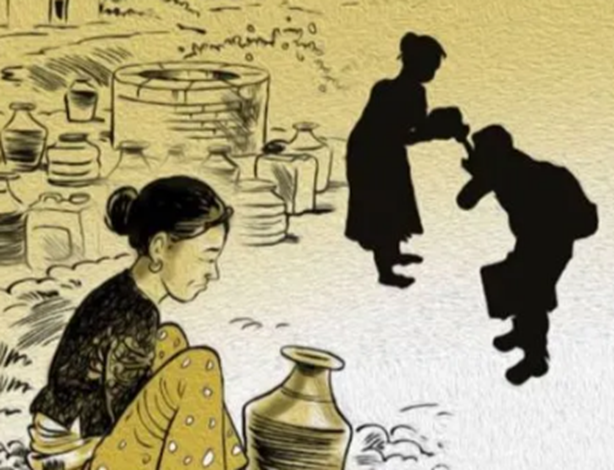
The issue of ritual purification of a place after its use by a person belonging to a Scheduled Caste raises an important constitutional question: Can the belief that a person’s touch or presence causes “pollution” amount to a form of untouchability under Article 17?
Introduction
Article 17 abolishes untouchability in all forms, though the Constitution does not define the term. Its scope has evolved through the Protection of Civil Rights Act, judicial interpretation and constitutional values.
Constitutional and Legal Background
A. Article 17: Abolition of Untouchability
- Abolition of Untouchability: Constitutionally abolishes untouchability and rejects caste-based social exclusion.
- Prohibition in Every Form: Covers both traditional and evolving manifestations of caste-based untouchability.
- Punishable Enforcement: Makes the enforcement of disabilities arising from untouchability an offence.
B. Other Constitutional Provisions
- Article 14 — Equality: Prohibits arbitrary and caste-based unequal treatment before law.
- Article 15 — Non-Discrimination: Forbids discrimination by the State on grounds including caste.
- Article 21 — Human Dignity: Protects individuals from practices that undermine their dignity and social worth.
- Preamble — Social Justice: Supports the constitutional objective of eliminating inherited social inequalities.
C. Protection of Civil Rights Act, 1955
- Statutory Enforcement: Gives legal effect to Article 17 by criminalising the practice of untouchability.
- Practice and Preaching: Prohibits both practising and promoting or justifying untouchability.
- Equal Access: Prevents denial of access to places of worship, public facilities and services.
- Social Disabilities: Prohibits caste-based restrictions on social participation and enjoyment of civil rights.
- Caste-based Humiliation: Section 7(1)(d) punishes insulting a Scheduled Caste person on the ground of untouchability.
Supreme Court Interpretation: Purity, Pollution and the Expanding Scope of Article 17
In Sukanya Shantha v. Union of India (2024), the Supreme Court gave a contemporary interpretation of Article 17 by recognising that untouchability is linked to caste hierarchy and notions of purity and pollution.
- Beyond Physical Exclusion: Untouchability is not confined to segregation or denial of access to public or religious spaces.
- Rejection of Caste-Based Pollution: The Court held that no stigma can be attached to a person’s existence, touch or presence.
- Recognition of Social Realities: Caste discrimination manifests through the “manifold complexities” of social life, including indirect and symbolic practices.
- Evolving Scope of Article 17: Article 17 must remain broad enough to address both traditional and emerging forms of untouchability.
The Court’s interpretation therefore makes it clear that untouchability cannot be understood merely through its outward form or traditional manifestations. The crucial question is whether a practice reproduces the caste-based idea of purity and pollution and treats a person’s touch or presence as inherently impure. This leads to the central question.
Central Constitutional Test: When Can Purification Amount to Untouchability?
- Caste Connection: Was the ritual performed specifically because of the person’s caste identity?
- Notion of Pollution: Was the person’s touch, presence or use of a space regarded as causing impurity because of caste?
- Discriminatory Intent: Do statements, conduct, surrounding circumstances or customary practices indicate a caste-based purpose?
- Differential Treatment: Would the same ritual have been performed if the person belonged to another caste?
Broader Challenges in Eliminating Untouchability
- Changing Forms of Discrimination: Untouchability increasingly manifests through indirect practices such as social boycott, residential segregation, occupational discrimination and unequal access to spaces.
- Gap Between Law and Social Reality: Legal abolition alone cannot eliminate deeply rooted caste attitudes and requires wider social transformation.
- Difficulty in Proving Intent: Caste-based discrimination is often implicit, disguised as tradition or justified through alternative explanations.
- Persistence of Symbolic Humiliation: Practices implying that a person’s presence or touch causes impurity can perpetuate exclusion even without physical barriers.
- Weakening of Constitutional Values: Such practices undermine the constitutional ideals of equality, dignity, fraternity and equal human worth.
Way Forward
- Substantive Interpretation of Article 17 — Courts should consider the social meaning, context, purpose and discriminatory effect of practices, including indirect forms of caste-based exclusion.
- Context-Sensitive Investigation — Authorities should assess caste connection, intent, differential treatment, historical context and surrounding circumstances before invoking criminal provisions.
- Effective Implementation of Laws — Strengthen enforcement through police sensitisation, prompt investigation, institutional monitoring and awareness of constitutional rights.
- Promote Constitutional Morality — Educational institutions and civil society should foster equality, dignity, fraternity and rejection of caste hierarchy, placing constitutional values above discriminatory social customs.
- From Legal Abolition to Social Transformation — Move beyond merely prohibiting untouchability towards social equality and constitutional consciousness, ultimately eliminating notions of purity, pollution and birth-based inferiority.
Conclusion
Article 17 is among the strongest constitutional instruments for social transformation. Its significance lies not merely in prohibiting physical exclusion but in rejecting the entire social ideology that treats some human beings as inherently impure or inferior.
The realisation of this constitutional vision requires a movement from legal prohibition to social equality and from formal citizenship to substantive human dignity.
| Important Current to Concept (CTC) from this Article for UPSC Article 17 Protection of Civil Rights Act, 1955 |