
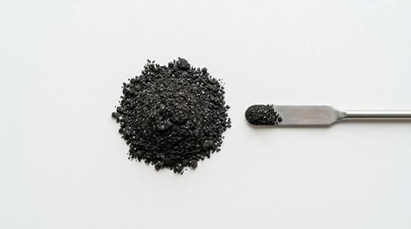
Black Mass (What is it?)
- Black Mass is a black-coloured, powder-like intermediate material obtained from the mechanical processing of spent lithium-ion batteries.
- It contains valuable battery materials, including lithium, cobalt, nickel, manganese and graphite.
- It serves as a secondary raw material for recovering critical minerals through further refining and chemical extraction processes.
Key Features of Black Mass
1. Source: Obtained from end-of-life lithium-ion batteries used in electric vehicles, mobile phones and other electronic devices.
2. Composition: Contains a mixture of valuable metals and other battery components, with composition varying according to battery chemistry.
3. Production Process: Generally produced through battery discharge, dismantling, crushing and physical separation.
4. Mineral Recovery: Further processed using hydrometallurgical or pyrometallurgical techniques to recover valuable metals.
5. Economic Significance: Acts as an important secondary source of critical minerals, reducing dependence on virgin mineral extraction and imports.
Importance of Black Mass Recycling
- Resource Security: Helps recover lithium, cobalt and nickel, strengthening domestic critical mineral availability.
- Circular Economy: Converts spent batteries into reusable industrial resources.
- Environmental Protection: Reduces battery waste disposal and the environmental burden of mining.
- Industrial Development: Supports the growth of domestic battery recycling and mineral processing industries.
Conclusion
Black Mass represents an important link between battery waste management and critical mineral security. Its efficient processing can strengthen India’s recycling ecosystem and promote a circular economy.
| This Concept has been discussed in the following article: Turning Battery Waste Into Strategic Mineral Wealth: Building India’s Circular Battery Economy |