
Introduction
Alternate Wetting and Drying (AWD) is a water-saving irrigation technique, primarily used in rice cultivation, in which fields are alternately flooded and allowed to dry instead of maintaining continuous flooding.
Key Features of AWD
- Intermittent Irrigation: Farmers periodically drain paddy fields and re-irrigate them when the water level falls below a specified threshold.
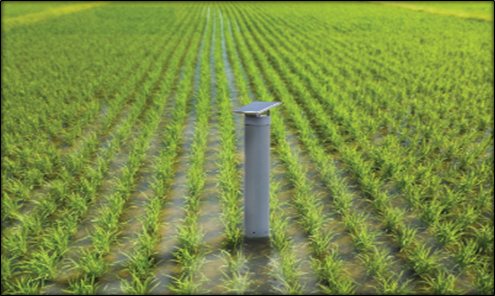
- Water-Level Monitoring: A perforated field water tube is used to monitor the water level, and irrigation is generally applied when the water level falls approximately 15 cm below the soil surface.
- Controlled Drying: The field is allowed to dry temporarily without causing severe water stress to the rice crop.
- Critical Growth Stages: Fields are generally kept flooded during sensitive stages such as flowering to prevent yield losses.
Benefits of AWD
- Water Conservation: AWD can reduce irrigation water requirements by approximately 15–30%, depending on soil and climatic conditions.
- Reduced Methane Emissions: Periodic drying introduces oxygen into the soil, suppressing anaerobic conditions responsible for methane (CH₄) production.
- Improved Water Productivity: It increases the amount of rice produced per unit of irrigation water consumed.
- Lower Cultivation Costs: Reduced irrigation requirements can lower pumping costs and energy consumption.
- Climate-Smart Agriculture: AWD contributes to climate change mitigation by reducing greenhouse gas emissions from flooded rice fields.
Conclusion
AWD is a climate-smart rice cultivation practice that promotes efficient water use, reduces methane emissions and strengthens the sustainability of India’s agricultural sector.
| This Concept has been discussed in the following article: Rebalancing India’s Rice Economy: From Export Dominance To Sustainable Agriculture |