
After Reading This Article You Can Solve This UPSC Mains Model Question:
“Blanket bans on online gaming are often counterproductive in the digital age.” Discuss in the context of the rise of offshore betting platforms and the need for a robust regulatory framework in India. (15 Marks, GS-2 International Relations)
Context
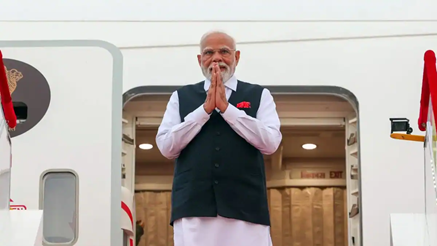
Prime Minister Narendra Modi’s visit to the United Arab Emirates, Netherlands, Sweden, Norway and Italy reflected India’s growing strategic engagement with Europe and West Asia amid global geopolitical instability. The visit focused on trade diversification, energy security, AI governance, climate cooperation, Arctic research, and multilateral coordination.
Strategic Background of India’s Europe and UAE Outreach
- Fractured Geopolitical Order: Rising global instability driven by superpower friction, specifically the Russia-Ukraine war, US-Israel tensions with Iran, and China’s aggressive economic policies.
- Postponed Diplomatic Agenda: The crucial India-Nordic Summit and several European bilateral engagements had to be rescheduled following their cancellation after the 2025 Pahalgam conflict.
- Supply Chain Realignment: A growing global consensus among democratic nations to de-risk economic dependencies and build resilient, alternative trade networks.
- Domestic Resource Crunch: The visit coincided with India’s newly launched internal “austerity” drive aimed at conserving foreign exchange reserves and managing energy volatility.
Key Objectives of the Visit
- Safeguarding National Energy Security: Securing steady, long-term oil storage deals with the UAE and collaborating on clean energy tech with Europe to insulate India from global fuel crises.
- Boosting Trade and Markets: Speeding up negotiations for major economic agreements like the India-EU FTA to open new doors for Indian businesses and increase trade with the Nordic region.
- Building Reliable Supply Chains: Partnering with like-minded democracies to diversify global manufacturing networks and reduce reliance on economically coercive powers.
- Collaborating on Deep-Tech and Minerals: Setting global rules for safe Artificial Intelligence (AI) use and securing reliable access to critical minerals needed for India’s tech sector.
- Strengthening Climate and Maritime Research: Teaming up with Nordic nations to study climate impacts in the polar Arctic and enhance security across vital global shipping routes.
Key Pillars of Engagement
- Securing Reliable Energy Reserves: Partnering with countries like the UAE to build long-term oil reserves and protect India from global fuel supply shocks.
- Expanding Green and Clean-Tech Ties: Joining forces with European and Nordic nations to share technology for climate change solutions and green energy transitions.
- Unlocking New Trade and Markets: Pushing forward with major trade deals like the EU and EFTA agreements to open up new markets and diversify global supply chains.
- Cooperating on Future Tech and Materials: Working together to build safe rules for Artificial Intelligence (AI) and securing access to essential critical minerals.
- Advancing Arctic and Maritime Research: Partnering with Nordic countries to study climate change impacts in the Arctic and protect vital global sea routes.
Key Challenges in India–Europe Relations
- Balancing Conflicting Global Alliances: Staying independent and maintaining good relations with India’s traditional allies while navigating Western pressure over the wars in Ukraine and the Middle East.
- Turning Friendly Words into Real Deals: Moving past warm handshakes and ceremonial awards to sign actual commercial contracts and bring visible economic benefits back home.
- Breaking Through Low Trade Volumes: Overcoming years of slow economic progress to significantly boost business with Nordic countries, where trade is stuck at a very low level.
- Handling Criticism Over Media Openness: Managing diplomatic awkwardness and public criticism in Europe caused by India’s hesitation to hold open, joint press conferences.
- Aligning Different Tech and Green Laws: Making complex international agreements on AI safety, clean energy, and mineral mining work smoothly despite India and Europe having different legal systems.
Way Forward
- Expedite Trade Pact Ratifications: Fast-track the signing and implementation of the upcoming India-EU FTA to turn diplomatic momentum into deep, systemic economic integration.
- Operationalize Green and Critical Tech Frameworks: Move from dialogue to action by setting up joint working groups to execute concrete projects under the Green Strategic Partnerships and AI governance initiatives.
- Deepen Commercial Ties with the Nordic Region: Actively incentivize private sector investments to aggressively push bilateral trade with Nordic countries past the current $20 billion bottleneck.
- Bridge the Democratic Transparency Gap: Harmonize international public relations by adopting standard democratic engagement practices, like open press briefings, to reinforce the narrative of shared values.
- Leverage Upcoming Multilateral Forums: Use the upcoming G-7 outreach summit in France and European bilateral visits to solidify agreements on Strategic Petroleum Reserves and supply chain resilience.
Conclusion
India’s strategic pivot toward Europe and the UAE lays the groundwork for resilient supply chains and green energy security. Consolidating these ties into binding trade pacts will elevate India as a vital stabilizer in the emerging multipolar world order.