
Maharashtra Poisons Rules, 1972 (What is it?)
- The Maharashtra Poisons Rules, 1972 provide a regulatory framework for the possession, sale, purchase and handling of poisons in Maharashtra.
- The Rules derive their statutory basis from the Poisons Act, 1919, which empowers State Governments to regulate the possession and sale of specified poisons.
- The framework seeks to balance public safety and health with the legitimate use of hazardous substances in industrial and other lawful activities.
Objectives of the Rules (Why are they important?)
1. Regulation of Hazardous Substances
Controls the lawful possession and sale of substances that can pose serious risks to human health.
2. Prevention of Misuse
Seeks to prevent the diversion or misuse of poisonous substances for unlawful purposes.
3. Licensing & Accountability
Uses licences, permits and record-keeping mechanisms to establish accountability in the supply chain.
4. Protection of Public Health
Aims to reduce the possibility of poisoning, accidental exposure and misuse of toxic substances.
Key Regulatory Features
1. Licensing & Permits
- Persons/entities dealing with regulated poisons may be subject to prescribed licensing and permit requirements.
- Different forms and permissions regulate different categories of possession/use.
2. Regulation of Sale
- Sale and transfer of regulated poisons are subject to prescribed conditions.
- The regulatory framework seeks to ensure that substances reach legitimate users for lawful purposes.
3. Record-Keeping
- Regulatory compliance involves maintaining appropriate records relating to the purchase, possession, sale and consumption of regulated substances.
- Such records help authorities identify irregularities and possible diversion.
4. Inspection & Enforcement
- Authorities can monitor compliance with licensing and handling requirements.
- Violations can attract regulatory action, including cancellation/suspension of permissions and other measures prescribed by law.
2011 Amendments & Methanol
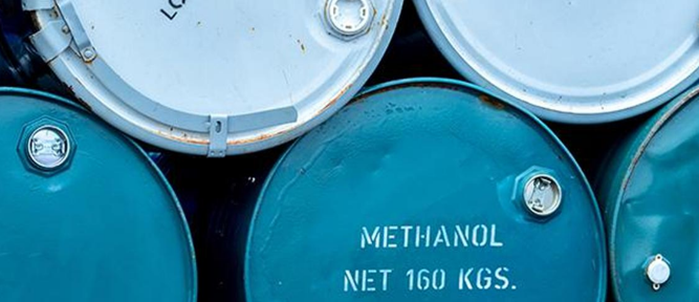
Following concerns regarding the misuse of methanol in illicit liquor, Maharashtra introduced Rules 18A and 18B in 2011.
Rule 18A
- Verification of the prescribed licence before sale of methanol.
- Addition of colourant and bitterant to methanol sold to specified non-drug manufacturers.
Rule 18B
- Provided for confiscation of methanol possessed without the prescribed Form A licence.
Conclusion
The Maharashtra Poisons Rules illustrate the need for effective regulation of hazardous substances without imposing disproportionate restrictions on legitimate economic activity. The Supreme Court’s intervention reinforces the principle that public safety regulation must be rational, evidence-based and proportionate to the risk sought to be addressed.
| This Concept has been Elaborately Discussed in the following Article: Supreme Court on Methanol Rules: Proportionality in Regulatory Governance |