
Context
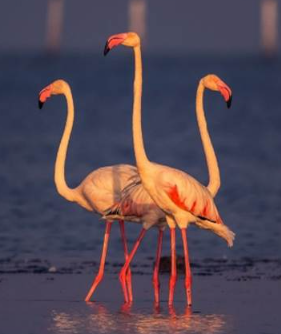
As of October 2026, India has 103 Ramsar Sites covering over 13.87 lakh hectares, ranking first in Asia and third globally in terms of the number of designated sites.
About Ramsar Sites
- A Ramsar Site is a wetland designated as a Wetland of International Importance under the Ramsar Convention.
- The Ramsar Convention is an intergovernmental treaty adopted on 2 February 1971 at Ramsar, Iran, and it entered into force in 1975.
- India became a party to the Convention on 1 February 1982.
- As of October 2026, the Convention has 172 contracting parties and more than 2,536 designated Ramsar Sites worldwide.
- Wetlands include marshes, lakes, floodplains, mangroves, estuaries and other natural or artificial areas where water is present permanently or temporarily.
- The Convention is based on three pillars:
- Wise use of all wetlands.
- Designation and effective management of Ramsar Sites.
- International cooperation for wetland conservation.
Criteria for Designation as a Ramsar Site
A wetland must fulfil at least one of the nine criteria prescribed under the Ramsar Convention.
- Unique Wetland Type: Represents a rare, unique or typical natural wetland ecosystem.
- Threatened Species: Supports vulnerable, endangered or critically endangered species.
- Biodiversity Conservation: Supports species important for maintaining regional biodiversity.
- Critical Life-cycle Support: Provides breeding grounds, nurseries or refuge during adverse conditions.
- Waterbird Population: Regularly supports at least 20,000 waterbirds.
- Waterbird Species: Regularly supports 1% of the population of a waterbird species or subspecies.
- Fish Diversity: Supports significant indigenous fish diversity and associated ecological processes.
- Fish Breeding and Migration: Provides feeding grounds, spawning grounds, nurseries or migration routes for fish.
- Other Wetland-dependent Animals: Regularly supports 1% of the population of a wetland-dependent non-bird animal species or subspecies.
Important Facts about Ramsar Sites in India
- First Ramsar Sites: Chilika Lake in Odisha and Keoladeo National Park in Rajasthan were designated on 1 October 1981.
- Largest Ramsar Site: Sundarban Wetland in West Bengal, covering approximately 4,23,000 hectares.
- Latest Additions: Sukhna Wetland in Chandigarh and Sauj Jheel in Uttar Pradesh.
- State with the Highest Number of Sites: Tamil Nadu, with 20 Ramsar Sites.
- Second-highest Number of Sites: Uttar Pradesh, with 14 Ramsar Sites.
- Montreux Record: A register of Ramsar Sites where changes in ecological character have occurred, are occurring or are likely to occur, requiring priority conservation attention.
- Wetland Cities: Indore and Udaipur became India’s first Ramsar-accredited Wetland Cities in January 2025.
Significance of Ramsar Sites
- Biodiversity Conservation: Protects habitats for migratory birds, threatened species, fish, amphibians and other aquatic organisms.
- Flood Management: Wetlands absorb excess rainwater and help reduce the impacts of floods.
- Groundwater Recharge and Water Security: Support water storage, groundwater recharge and the maintenance of aquatic ecosystems.
- Climate Change Mitigation: Wetlands, particularly mangroves and peatlands, store carbon and contribute to climate resilience.
- Livelihood Generation: Support fisheries, agriculture, tourism and other economic activities, benefiting local communities.
- Coastal Protection: Mangrove wetlands help protect coastal areas against cyclones, storm surges, erosion and saltwater intrusion.
- International Cooperation: Ramsar designation enhances global recognition and provides access to scientific guidance, expert assistance and opportunities for conservation funding.
- Community Participation: Encourages local communities to participate in conservation and promotes sustainable use of wetland resources.
- Sustainable Development: Integrates ecological conservation with economic development and the welfare of communities dependent on wetlands.
Examples of Important Ramsar Sites and Their Ecological Importance
- Chilika Lake (Odisha): A brackish-water lagoon that supports the Irrawaddy dolphin, migratory waterbirds and diverse fish species.
- Sundarban Wetland (West Bengal): India’s largest Ramsar Site, known for its extensive mangrove ecosystem and Royal Bengal tiger habitat. It also protects coastal areas from cyclones and tidal surges.
- Loktak Lake (Manipur): Known for its floating phumdis and as a habitat for the endangered Sangai deer.
- East Kolkata Wetlands (West Bengal): Naturally treat urban wastewater and support fisheries, agriculture and local livelihoods.
- Keoladeo National Park (Rajasthan): An important habitat for resident and migratory waterbirds.
- Beas Conservation Reserve (Punjab): Supports the endangered Indus River dolphin, gharial and a wide variety of bird and fish species.
Conclusion
India’s expanding network of Ramsar Sites reflects its commitment to wetland conservation and biodiversity protection, highlighting the need for effective management, scientific monitoring and community participation to ensure water security, climate resilience, sustainable livelihoods and long-term environmental sustainability.
| Important CTC from this article: Sukhna Wetland and Sauj Jheel |