
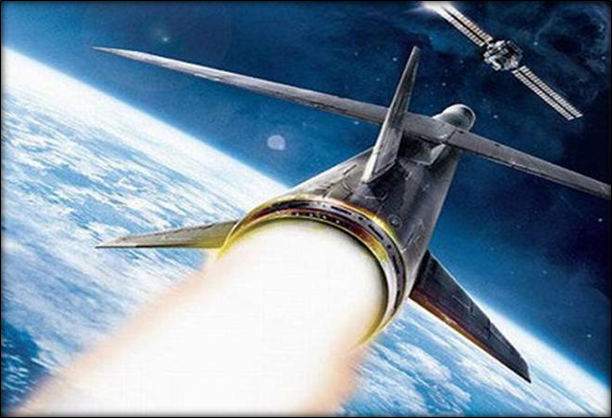
About Anti-Satellite (ASAT) Weapons
- Definition: Advanced weapon systems designed to intercept, disable, or destroy satellites in orbit. They can be launched from the ground, air, or space installations.
- Global Capabilities: Historically developed during the Cold War. Only four nations have successfully demonstrated this technology: the USA (Bold Orion ALBM), Russia (Nudol Missile), China (SC-19 missile), and India.
Typology of ASAT Weapons
- Kinetic ASATs: Employ brute physical force. They involve launching a ballistic missile, drone, or secondary satellite that physically collides with the target satellite at hypervelocity.
- Non-Kinetic ASATs: Do not rely on physical impact. They disable or blind satellites using cyber-attacks, signal jamming, or directed-energy weapons (e.g., high-powered lasers).
Need for ASAT Technology
- National Security & Defense: Protects critical space-based military infrastructure, intelligence gathering, and secure communications.
- Strategic Deterrence: The possession of ASAT capabilities dissuades adversaries from launching pre-emptive strikes against a nation’s space assets.
- Debris Management: Can theoretically be used to safely remove decommissioned or rogue satellites from orbit.
- Technological Progression: Represents a natural evolution in advanced aerospace and ballistic missile technology.
Mission Shakti (2019)
- Overview: India’s indigenous ASAT missile test, conducted on March 27, 2019, by the Defence Research and Development Organisation (DRDO) from Dr. APJ Abdul Kalam Island, Odisha.
- Weapon System: Utilized the Prithvi Delivery Vehicle Mark-II (PDV MK-II), a kinetic interceptor developed under the Indian Ballistic Missile Defence Programme.
- Target: Successfully intercepted and destroyed the defunct Indian Microsat-R satellite operating in Low Earth Orbit (LEO) at an altitude of approximately 283 kilometers.
Significance of Mission Shakti
- Strategic Autonomy: Elevated India to the exclusive group of four nations possessing proven ASAT capabilities, significantly bolstering its national security profile.
- Deterrence Signaling: Validated India’s readiness to defend its space assets—the emerging “fourth dimension of warfare”—against hostile counter-space capabilities.
- Technology Validation: Successfully tested emerging indigenous ballistic missile defense technologies, integrating sophisticated radar, tracking, and interception systems.
Conclusion
The successful demonstration of kinetic ASAT components during Mission Shakti has firmly established India’s strategic deterrence and capability to defend its orbital assets. Moving forward, India must balance this advanced anti-satellite technological posture with robust international advocacy to mitigate the escalating risks of space debris and the Kessler Syndrome.
| This Concept Has Been Mentioned In This Article: The Weaponisation of Space: Strategic Realities and Global Governance |