
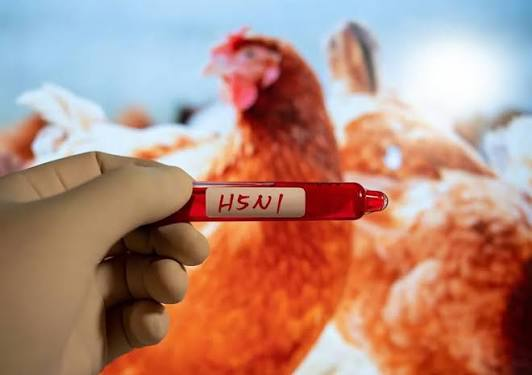
About H5N1 Bird Flu
- Avian influenza A(H5N1), also referred to as H5B1 Bird Flu, is a highly pathogenic virus that primarily circulates among birds but can also infect mammals.
- It originated from a virus outbreak in China in 1996 and rapidly evolved into a highly pathogenic strain.
- Since 2020, the virus has spread globally across Europe, Africa, Asia, North America, South America, and even mainland Antarctica.
- In India, the first H5N1 outbreak was recorded in the states of Maharashtra and Gujarat in 2015.
Key Impacts and Risk Factors of H5N1 Bird Flu
- Impact on Birds: Primarily affected chickens historically, but now severely impacts wild birds, including endangered species such as California condors.
- Impact on Mammals: Caused mass deaths among marine mammals like sea lions and dolphins in Chile and Peru, and infected land mammals including foxes, pumas, and bears in North America, as well as farmed minks in Spain and Finland.
- Human Transmission: Although rare, humans can contract the virus primarily through direct contact with infected birds or poultry exposure; human-to-human transmission remains rare.
- Climate Change Link: Climate change may exacerbate the spread of the virus by altering bird behaviour and increasing interactions between different bird species.
- WHO Risk Assessment: The World Health Organization (WHO) assesses the overall risk to the general population as low, though sporadic cases persist in regions where the virus is endemic in poultry, necessitating strong surveillance and risk management.
Conclusion
H5N1 Bird Flu poses a significant threat to global biodiversity, wildlife, and poultry sectors, with its expanding geographic reach and cross-species transmission into mammals. While the current risk to the general human population remains low, sustained surveillance, strict biosecurity, and adherence to WHO preventive guidelines are essential to mitigate future public health risks.
| This concept has been mentioned in the following article: India’s First Indigenous H5N1 (Clade 2.3.2.1a) Avian Influenza Vaccine for Chickens |