
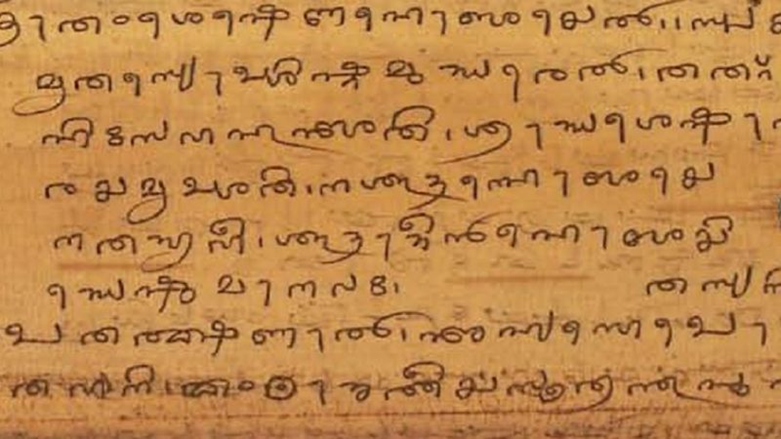
Context
Recently, the Karnataka State Government has accelerated efforts to declare Tulu as the state’s second official language. In January 2026, the Kannada and Culture Minister informed the State Assembly that a high-level committee had visited states like West Bengal and Andhra Pradesh to study the administrative implementation of multiple official languages.
This move addresses a long-standing demand from the Tulu-speaking community to grant the language official status under Article 345 of the Constitution and to advocate for its inclusion in the Eighth Schedule.
1. Linguistic and Historical Profile
- Dravidian Root: Tulu is a prominent member of the Dravidian language family. Linguists, including Robert Caldwell, have described it as one of the most highly developed and ancient languages of this family, with a history spanning over 2,500 years.
- Geographical Area (Tulu Nadu): The language is primarily spoken in the “Tulu Nadu” region, which comprises the Dakshina Kannada and Udupi districts of Karnataka and the Kasaragod district of Kerala.
- Early Divergence: Tulu is believed to have branched off early from Proto-South Dravidian, giving it unique features not found in sister languages like Tamil or Kannada. For instance, it possesses complex verb tenses (past perfect and future perfect) formed without auxiliary verbs.
2. Script and Literature
- Tigalari Script: Historically, Tulu was written in the Tigalari script (derived from the Grantha script), which is closely related to the Malayalam script. While the Kannada script is currently used for contemporary Tulu writing, there is a strong movement to revive the traditional Tigalari script.
- Oral Tradition (Paddanas): Tulu boasts a massive body of oral literature known as Paddanas. These are epic narrative poems sung during rituals like Bhuta Kola (spirit worship). The Siri Paddana, one of the longest oral epics in the world, depicts the strength and divinity of Tulu women.
- Yakshagana: This world-renowned traditional folk theatre often uses Tulu as a medium, blending dance, music, and dialogue to depict mythological stories.
3. Constitutional Status and the Eighth Schedule
- Current Status: At present, Tulu is not included in the Eighth Schedule of the Indian Constitution, nor is it an official language of any state.
- Article 29: The Tulu community cites Article 29, which gives any section of citizens with a distinct language, script, or culture the right to conserve the same.
- Article 345: This allows state legislatures to adopt any one or more of the languages in use in the state as the official language. Karnataka is exploring this route to grant Tulu “second official language” status.
- Benefits of Eighth Schedule Inclusion:
- Recognition by the Sahitya Akademi.
- Translation of Tulu literary works into other recognized languages.
- Permission for Members of Parliament and MLAs to speak in Tulu in their respective houses.
- The ability for candidates to write All-India competitive examinations (like the UPSC Civil Services Exam) in Tulu.
Q. With reference to the 'Tulu' language, consider the following statements:
1. It is a Dravidian language predominantly spoken in the coastal regions of Karnataka and Northern Kerala.
2. The language has a rich oral tradition of epic narrative poems known as 'Paddanas'.
3. Tulu is currently one of the 22 languages listed in the Eighth Schedule of the Indian Constitution.

Which of the statements given above is/are correct?
(a) 1 and 2 only
(b) 2 and 3 only
(c) 1 and 3 only
(d) 1, 2, and 3

Correct Answer: (a)
Explanation-
STATEMENT 1 CORRECT: Tulu is spoken in the districts of Dakshina Kannada, Udupi (Karnataka), and Kasaragod (Kerala), an area collectively known as Tulu Nadu.
STATEMENT 2 CORRECT: 'Paddanas' are the cornerstone of Tulu oral literature, sung during ritualistic performances such as Bhuta Kola.
STATEMENT 3 INCORRECT: Tulu is not yet included in the Eighth Schedule; there is an ongoing movement and persistent demand for its inclusion to gain national recognition.