
Context
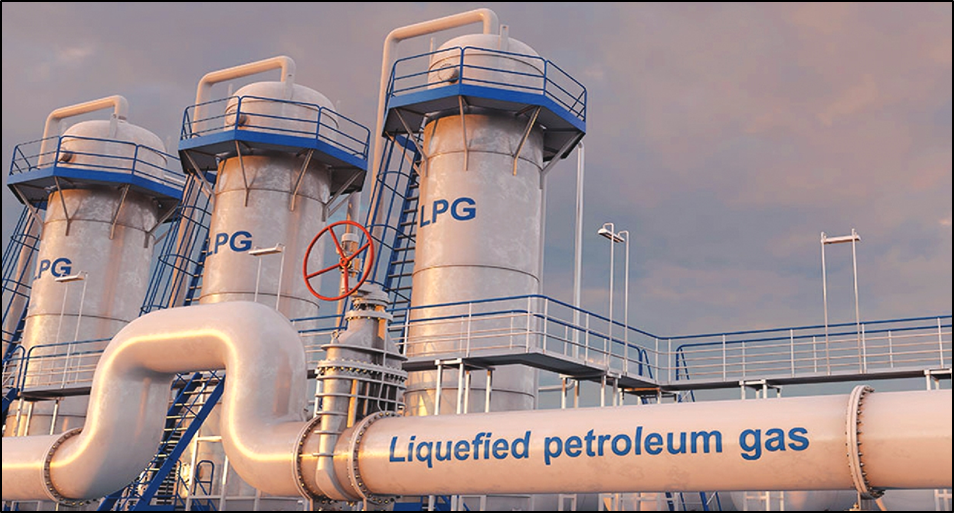
- The Petroleum and Natural Gas Regulatory Board (PNGRB) has authorised the development of around 1,800 km of LPG pipeline infrastructure across Telangana, Maharashtra, Uttar Pradesh, Uttarakhand, Karnataka and Goa.
- The project involves an estimated investment of around ₹7,000 crore and will be developed by GAIL (India) Limited.
Key Pipeline Projects
| Route | Length |
| Cherlapally (Telangana) – Nagpur (Maharashtra) | 556 km |
| Jhansi (Uttar Pradesh) – Sitarganj (Uttarakhand) | 611 km |
| Shikrapur (Maharashtra) – Goa and Hubli (Karnataka) | 633 km |
About PNGRB
- It is a statutory body established under the Petroleum and Natural Gas Regulatory Board Act, 2006.
- It regulates the midstream and downstream petroleum and natural gas sectors.
- Its mandate covers refining, processing, storage, transportation, distribution, marketing and sale of petroleum, petroleum products and natural gas.
- Production of crude oil and natural gas is excluded from its regulatory mandate.
Q. With reference to the Petroleum and Natural Gas Regulatory Board (PNGRB), consider the following statements:
1. It is a statutory body established under the Petroleum and Natural Gas Regulatory Board Act, 2006.
2. It regulates the production of crude oil and natural gas in India.
3. It can authorise entities to lay, build, operate or expand petroleum and natural gas pipelines.
4. It can lay down technical and safety standards for downstream petroleum and natural gas infrastructure.
Which of the statements given above are correct?
(a) 1, 2 and 3 only
(b) 1, 3 and 4 only
(c) 2 and 4 only
(d) 1, 2, 3 and 4
Answer: (b) 1, 3 and 4 only
• Statement 1 – Correct: PNGRB is a statutory body established under the PNGRB Act, 2006.
• Statement 2 – Incorrect: Its mandate excludes the production of crude oil and natural gas.
• Statement 3 – Correct: PNGRB can authorise entities to develop and operate specified pipeline infrastructure.