
Context
- Recently, the World Health Organization (WHO) officially designated the expanding Ebola outbreak in Central Africa as a Public Health Emergency of International Concern (PHEIC). This urgent global declaration, reported across major news outlets, comes in response to a sharp rise in cases driven by the rare Bundibugyo ebolavirus strain.
- Because this specific strain carries a high fatality rate of up to 50% and completely bypasses existing standard Ebola vaccines, the Government of India has issued a strict advisory urging citizens to avoid non-essential travel to the affected regions.
1. What is Ebola and the Current Strain?
- Ebola Virus Disease (EVD) is a rare but severe, often fatal illness in humans caused by a group of viruses under the genus Orthobolavirus.
- There are six known species of the virus, but only three—Zaire, Sudan, and Bundibugyo—commonly cause large, deadly outbreaks in human populations.
- The active outbreak is driven by the Bundibugyo strain, a variant that has historically appeared less frequently but is currently causing rapid transmission.
2. How Does It Spread?
- From Animals to Humans: The virus naturally lives in fruit bats. It spills over to humans when someone handles or eats infected wild animals (such as bats, monkeys, or apes) found sick or dead in the rainforest.
- From Human to Human: The virus spreads strictly through direct contact with the bodily fluids (blood, vomit, feces, or sweat) of a person who is actively showing symptoms or has died from the disease.
- The Incubation Rule: An infected person cannot spread the virus to others during the incubation period (which lasts between 2 to 21 days); they only become contagious after symptoms appear.
3. Symptoms and the Diagnosis Challenge
- The disease begins abruptly with flu-like symptoms, including sudden fever, intense weakness, muscle pain, headache, and a sore throat.
- As the illness worsens, patients suffer from vomiting, diarrhea, kidney and liver failure, and severe internal and external bleeding (hemorrhaging).
- Early diagnosis is difficult because these initial symptoms look identical to other common tropical diseases like malaria, typhoid, and dengue.
4. The Vaccine Problem: No Cross-Protection
- While science successfully created highly effective vaccines (like Ervebo) during past outbreaks, these treatments were engineered exclusively to target the Zaire strain.
- Medical data shows that these existing vaccines provide zero cross-protection against the Bundibugyo strain causing the current crisis.
- Due to the complete lack of an approved vaccine or targeted antiviral drug for this specific variant, medical care is limited strictly to aggressive supportive therapy, such as intensive rehydration and symptom management.
5. India’s Defensive Measures
- No cases of the Bundibugyo Ebola strain have been reported in India.
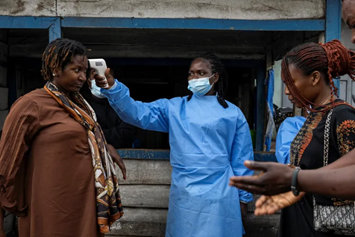
- To prevent an accidental import of the virus, India’s health ministry has reinforced strict health screening corridors at all major international airports, focusing closely on travelers returning from Central African transit routes.
Q. With reference to Ebola Virus Disease (EVD), consider the following statements:
1. A person infected with the virus can easily transmit it to others during the incubation period before any symptoms appear.
2. The current approved vaccines for Ebola are strain-specific and do not offer cross-protection against the active Bundibugyo variant.
3. Fruit bats are considered the natural reservoir hosts that carry and maintain the virus in the wild.
Which of the statements given above are correct?
(a) Only one statement
(b) Only two statements
(c) All three statements
(d) None of the statements
Solution
Correct Answer: (b) Only two statements
• STATEMENT 1 IS INCORRECT: A person infected with Ebola is not contagious and cannot spread the virus during the incubation period (2 to 21 days). Transmission only becomes possible after the individual begins to show active, visible symptoms.
• STATEMENT 2 IS CORRECT: Existing vaccines like Ervebo were specifically developed to fight the Zaire strain of the virus. They are highly strain-specific and fail to provide any protection against the Bundibugyo strain driving the current emergency.
• STATEMENT 3 IS CORRECT: Fruit bats belonging to the Pteropodidae family are the scientifically established natural reservoirs for the Ebola virus, harboring it without getting sick. Therefore, two statements (Statements 2 and 3) are correct.