
Context
Recently, H1N1 (swine flu) cases have increased in several parts of India, mainly during the monsoon season when flu infections usually rise, with Kerala reporting the highest number of cases and deaths.
Experts say there is no major cause for concern as most patients recover with timely treatment, and health authorities have not declared it an outbreak, advising early testing and quick treatment for suspected cases.
State-wise Trends
- Delhi and Mumbai saw a rise in H1N1 cases and set up special isolation/wards, while Bengaluru reported heavy respiratory illness among children, with testing mainly for severe or long-lasting cases.
- Telangana has not seen a major rise in H1N1 despite more viral-fever cases, while Kerala has seen influenza cases and deaths steadily increase from May to July (526 to 2,899 cases; 6 to 31 deaths).
About the H1N1 Virus
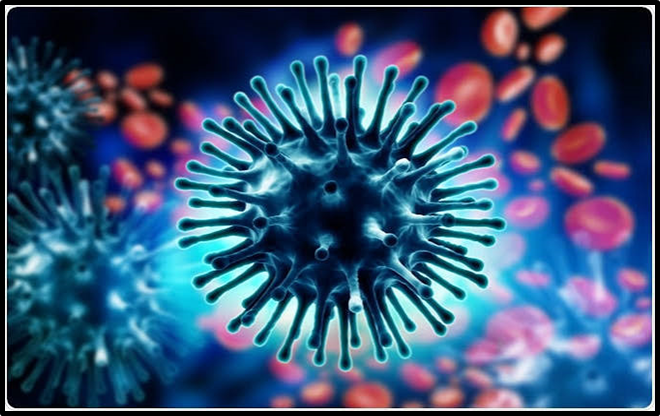
- H1N1 is an Influenza A subtype causing swine flu.
- Its Symptoms includeFever, chills, cough, sore throat, runny/blocked nose, headache, tiredness, muscle or body aches; sometimes vomiting and diarrhoea.
- Children and older adults, especially those with asthma or other chronic conditions are most Vulnerable to this virus.
- The Virus was first reported in North America (April 2009); WHO declared a pandemic in June 2009 after spread to 74 countries/territories. It originated from animal influenza viruses and differed from earlier human H1N1 strains.
- India reported its first case in May 2009; it spreads mainly through cough/sneeze droplets, but also through contaminated surfaces. Symptoms usually appear in 1–4 days (about 2 days), and spread can occur before clear symptoms.
H1N1: Prevention & Treatment Measures
- Diagnosis: Most cases are identified clinically; RT-PCR of respiratory samples confirms infection and is generally more sensitive than rapid tests.
- Vaccination: Take the flu vaccine every year for protection.
- Hygiene: Wash hands, cover coughs/sneezes and avoid close contact with infected people.
- Isolation: Keep infected people away from others to prevent spread.
- Antivirals: High-risk and severe patients should get antiviral medicines early, preferably within 48 hours.
- Public Health: Ensure vaccination, testing, monitoring and awareness, especially for pregnant women, children, elderly and people with chronic diseases.
Why is this article important for UPSC?
- Understanding the biology and transmission of the H1N1 (Influenza A) virus.
- Awareness of India’s public health surveillance and testing infrastructure for seasonal and pandemic-prone diseases.
- Knowledge of disease trends across States helps in understanding Centre-State coordination in public health and the role of institutions such as District/State Health Departments.
In this article, you will understand:
- Nature and symptoms of the H1N1 virus.
- State-wise trends in influenza-like illness across India.
- Gaps in testing and surveillance for seasonal flu.
| Important CTC from this article for UPSC Influenza |
Q. With reference to H1N1 (swine flu), consider the following statements:
I. H1N1 is a subtype of the Influenza A virus.
II. Routine H1N1 testing is conducted at all government hospitals in India.
III. Anti-flu drugs are more effective when administered within the first few days of fever onset.
Which of the statements given above is/are correct?
(a) I and II only
(b) II and III only
(c) I and III only
(d) I, II and III
Answer: (c) I and III only
Explanation
Statement I is Correct: H1N1, commonly known as swine flu, is a subtype of the Influenza A virus.
Statement II is Incorrect: Routine H1N1 testing is not conducted at government hospitals, which makes it difficult to classify flu-like cases; testing is largely restricted to symptomatic cases in select facilities.
Statement III is Correct: Anti-flu drugs are more effective when started within the first few days of fever, and suspected cases should ideally be tested within 24 to 48 hours of developing symptoms.