
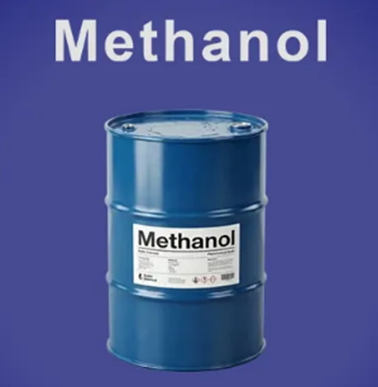
Methanol (What is it?)
- Methanol, also known as methyl alcohol, is a simple alcohol and highly toxic chemical.
- Its chemical formula is CH₃OH.
- It is primarily an industrial chemical and should not be confused with ethanol, the alcohol commonly present in alcoholic beverages.
- Methanol can cause severe poisoning, blindness and death when ingested.
Key Characteristics
1. Chemical Identity
- Common name: Methanol / Methyl alcohol
- Chemical formula: CH₃OH
- It is the simplest alcohol.
2. Highly Toxic
Methanol ingestion can result in:
Methanol ingestion
↓
Metabolism in the body
↓
Formation of toxic metabolites
↓
Metabolic acidosis + visual impairment + organ damage
↓
Potentially fatal poisoning
3. Industrial Uses
Methanol is widely used as a raw material or solvent in:
- Formaldehyde production
- Resins
- Paints and coatings
- Chemical manufacturing
- Pharmaceuticals
- Laboratory applications
- Other industrial processes.
Methanol vs Ethanol
| Feature | Methanol | Ethanol |
| Chemical formula | CH₃OH | C₂H₅OH |
| Common name | Methyl alcohol | Ethyl alcohol |
| Primary relevance | Industrial chemical | Industrial + beverage alcohol |
| Toxicity | Highly toxic | Toxic at excessive levels but used in beverages |
| Consumption | Not fit for consumption | Present in alcoholic beverages |
| Major poisoning concern | Blindness, metabolic acidosis, death | Alcohol intoxication and other health effects |
Conclusion
Methanol represents a classic governance trade-off: it is an important industrial input but poses severe risks when diverted or improperly handled. Effective regulation therefore requires traceability, stock accountability, secure transportation and targeted enforcement, rather than relying solely on blanket restrictions.