
After Reading This Article You Can Solve This UPSC Mains Model Question:
Evaluate the significance of optogenetics in advancing neuroscience and therapeutics. What key challenges hinder its clinical translation into human healthcare? 15 Marks, (GS 3 Science & Technology)
Context
The 2026 Nobel Prize in Physiology or Medicine was jointly awarded to Karl Deisseroth, Peter Hegemann, and Georg Nagel for discovering light-gated ion channels and developing optogenetics to control neural circuits using light.
Introduction
Conventional neuromodulation methods like pharmacological drugs or electrical stimulation lack cellular specificity. Optogenetics integrates genetics and optics to selectively switch specific neurons on or off with millisecond temporal precision, revolutionizing functional brain mapping.
What is Optogenetics?
- Definition: A biological technique combining genetic engineering and optical technology to control the electrical activity of genetically targeted cells using specific wavelengths of light.
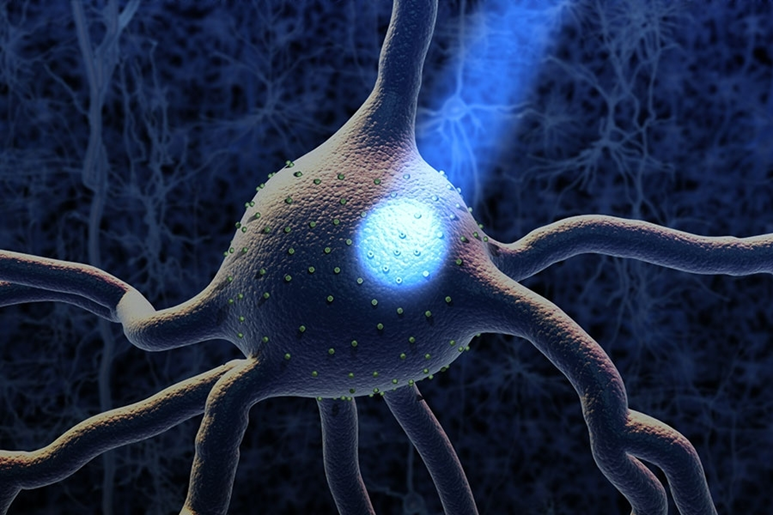
- Light-Gated Ion Channels: Employs light-sensitive microbial proteins called opsins that embed into cell membranes to act as biological ion conduits.
- Optical Mechanism: Delivering pulses of light (commonly blue light) opens or closes membrane channels, altering the membrane potential and firing precise action potentials.
Genesis and Scientific Evolution
- The Algal Foundation: Peter Hegemann studied the phototaxis of the green microalga Chlamydomonas reinhardtii, identifying how light triggers cellular electrical currents.
- Identification of Channelrhodopsins: Hegemann and Georg Nagel characterized Channelrhodopsin-1 (ChR1) and Channelrhodopsin-2 (ChR2) as direct light-sensitive ion channels.
- Translational Leap to Mammalian Brains: Karl Deisseroth successfully transferred ChR2 genes into mammalian neurons using harmless viral vectors, establishing targeted optical control in living mammalian brain tissue.
Significance Of the Breakthrough
- Causal Neural Circuit Mapping: Replaces observational imaging with direct, causal verification of how specific neural circuits govern memory, emotion, and behavior.
- Neuropsychiatric Therapeutics: Lays the molecular foundation for targeted interventions in Parkinson’s disease, Alzheimer’s disease, schizophrenia, and clinical depression.
- Sensory Restoration: Translational clinical trials have utilized retinal opsin delivery to restore partial functional vision in blind patients.
- Elimination of Off-Target Toxicity: Delivers high cellular precision, overcoming the systemic adverse effects common to traditional neuropharmacological drugs.
- Interdisciplinary Scientific Convergence: Integrates botanical microbiology, molecular genetics, photonics, and clinical neurology into a unified therapeutic platform.
Key Challenges in Clinical Translation
- Invasive Delivery Systems: Directing light into deep brain structures requires the surgical implantation of invasive optical hardware, posing infection and tissue damage risks.
- Viral Vector Immunogenicity: Using Adeno-Associated Viruses (AAVs) to introduce foreign algal opsins risks triggering unintended host immune and inflammatory responses.
- Neural Network Complexity: Human brain circuits feature extreme functional redundancy across billions of neurons, making pinpoint therapeutic targeting far harder than in animal models.
- Bioethical and Dual-Use Concerns: The ability to manipulate neural circuitry and behavioral states raises pressing ethical issues regarding cognitive liberty and mental privacy.
- Healthcare Inequity: High upfront development and personalized gene therapy costs risk creating severe access disparities between developed and developing economies.
Way Forward
- Develop Non-Invasive Photonics: Invest in red-shifted opsins and upconverting nanoparticles capable of penetrating cranial bone via near-infrared light without invasive surgery.
- Refine Biosafety of Viral Delivery: Engineer high-affinity, tissue-specific viral vectors with minimal immunogenicity to ensure durable and safe clinical gene expression.
- Formulate Robust Ethical Guidelines: Multilateral regulatory bodies must draft clear protocols protecting patient cognitive sovereignty and preventing dual-use misuse.
- Bridge the Translational Gap: Establish dedicated public-private clinical consortia to fund and de-risk human clinical trials for optogenetic neurotherapeutics.
- Ensure Equitable Global Access: Foster open-access technology-sharing pipelines to ensure life-saving neurotechnologies remain affordable for developing nations.
- Integrate Computational Neuroscience: Combine optogenetic switches with AI-guided real-time neural decoding for dynamic, closed-loop neuromodulation.
Conclusion
Optogenetics fundamentally transforms light into a biological tool to decipher the brain’s complex circuitry. Realizing its transformative potential will require safe non-invasive delivery, strong bioethical safeguards, and equitable global access to advanced neurotechnologies.
| Important Current to Concept (CTC) from this Article for UPSC: Optogenetics Adeno-Associated Viruses (AAVs) |