
Introduction
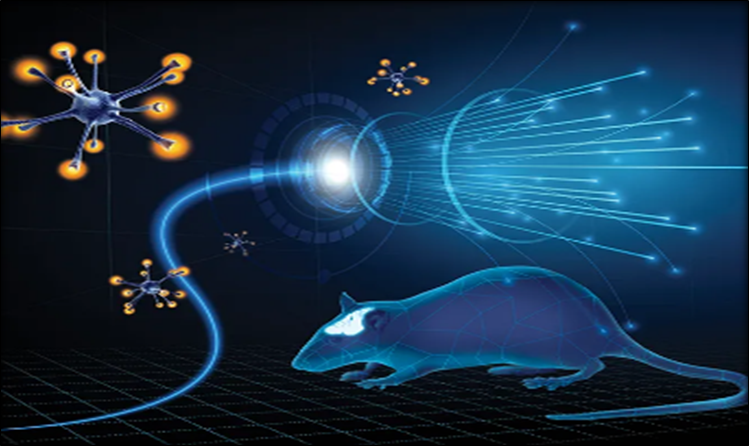
Optogenetics is a biotechnology technique that combines genetic engineering and light-based stimulation to control and study the activity of specific cells, particularly neurons, with high precision.
Key Features and Working
- Genetic modification: Scientists introduce genes encoding light-sensitive proteins (opsins) into selected neurons, often using viral vectors.
- Light-gated ion channels: These proteins function as light-sensitive ion channels. When exposed to specific wavelengths of light, they open or close and regulate the movement of ions across the neuronal membrane.
- Control of neuronal activity: The movement of ions changes the electrical state of neurons, allowing researchers to activate or inhibit specific neural circuits.
- Precise neural mapping: Unlike conventional methods that may affect large groups of cells, optogenetics enables researchers to study specific neurons and neural pathways involved in memory, emotions, movement and behaviour.
Major Applications
- Neurological research: It helps understand neural circuits associated with diseases such as Alzheimer’s and Parkinson’s.
- Psychiatric research: It facilitates investigation of neural mechanisms underlying addiction, fear, reward and other behaviours.
- Vision restoration: Researchers are exploring optogenetic approaches to restore visual function in certain forms of blindness.
- Precision medicine: By identifying disease-specific neural circuits, it could contribute to the development of targeted neurological therapies.
Conclusion
Optogenetics represents a major advance in precision neuroscience, enabling scientists to link specific neural circuits with behaviour and disease. Its future significance will depend on translating laboratory breakthroughs into safe, affordable and equitable therapies.
| This Concept Has Been Elaborately Covered In This Article: Illuminating the Neural Frontier: Optogenetics and the Dawn of Precision Neurobiology |