
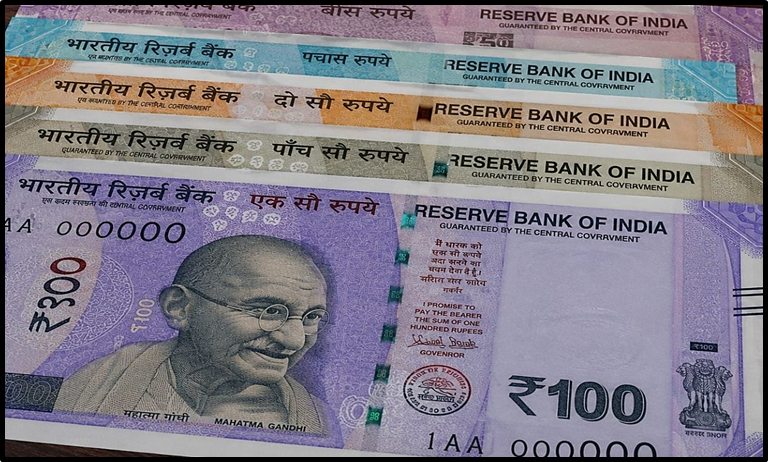
Context
- The RBI plans to introduce polymer currency notes from FY 2026–27 after completing the ongoing pilot project.
What are Polymer Currency Notes?
- Polymer currency notes are banknotes made from biaxially oriented polypropylene (BOPP) instead of traditional cotton-based paper. They are stronger, more durable and equipped with advanced anti-counterfeiting technologies.
Why is RBI Introducing Polymer Notes?
- Improve the lifespan of banknotes in circulation.
- Strengthen protection against counterfeit currency.
- Reduce replacement and printing costs over time.
- Improve resistance to moisture, dirt and wear.
- Enhance public confidence in the currency system.
Key Features of Polymer Notes
- Manufactured using polymer substrate (BOPP) instead of cotton paper.
- Longer lifespan than conventional paper notes.
- Waterproof, tear-resistant and dirt-resistant.
- Can incorporate transparent windows, holographic images and micro-security features.
- Difficult to duplicate using conventional printing techniques.
- Better print quality and colour retention.
Advantages of Polymer Currency
- Higher Durability: Lasts significantly longer than paper notes.
- Lower Counterfeiting: Advanced security features make forgery difficult.
- Reduced Replacement Cost: Fewer notes need to be reprinted.
- Cleaner Currency: Less prone to absorbing moisture and contaminants.
- Environmental Benefits: Lower consumption of raw materials due to longer circulation life.
Currency Note Issuance in India
- Currency Notes: Issued by the Reserve Bank of India under the Reserve Bank of India Act, 1934.
- ₹1 Note: Issued by the Government of India under the Coinage Act, 2011 and signed by the Finance Secretary.
- All other currency notes are signed by the RBI Governor.
| Important CTC from This Article for UPSC 1. RBI 2. Monetary Policy Committee (MPC) |
Q. With reference to Polymer Currency Notes, consider the following statements:
1. Polymer banknotes are made from biaxially oriented polypropylene (BOPP).
2. The Reserve Bank of India issues all currency notes, including the ₹1 note.
3. Polymer notes generally have a longer circulation life than paper currency notes.
Which of the statements given above is/are correct?
(a) 1 and 3 only
(b) 2 and 3 only
(c) 1, 2 and 3
(d) 1 only
Answer: (a)
Explanation
• Statement 1: Correct. Polymer notes are printed on BOPP substrate.
• Statement 2: Incorrect. The ₹1 note is issued by the Government of India, while all other banknotes are issued by the RBI.
• Statement 3: Correct. Polymer notes generally last much longer than conventional paper notes.