
Introduction
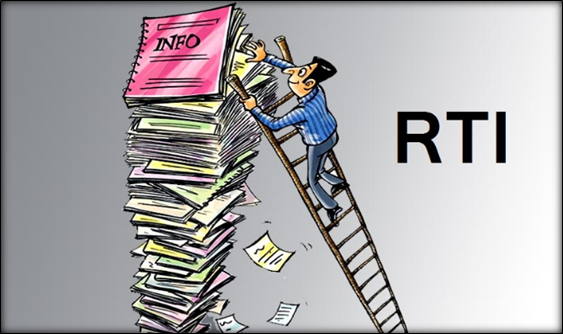
The Right to Information (RTI) Act, 2005 empowers citizens to access information held by public authorities, thereby promoting transparency, accountability and participative democracy.
Key Provisions
- Constitutional basis: The right to information is derived from Article 19(1)(a), as informed citizens are essential for meaningful freedom of speech and democratic participation.
- Citizen-centric legislation: The Act gives Indian citizens the right to obtain information held by or under the control of public authorities.
- Public authorities: It covers constitutional bodies, government departments, local authorities, bodies substantially financed by government and certain NGOs substantially financed by government.
- Public Information Officers (PIOs): Every public authority is required to designate PIOs who receive and respond to RTI applications.
- Time limit: Information is generally required to be provided within 30 days, while information concerning the life or liberty of a person must ordinarily be provided within 48 hours.
- Proactive disclosure: Section 4 requires public authorities to proactively disclose important information about their functioning, reducing citizens’ dependence on individual RTI applications.
- Exemptions: Section 8 permits withholding information relating to matters such as national security, commercial confidence, fiduciary relationships, ongoing investigations and certain personal information.
- Intelligence and security organisations: Section 24 exempts specified intelligence and security organisations from the Act, subject to statutory safeguards, including exceptions concerning corruption and human-rights violations.
- Independent oversight: The Central Information Commission (CIC) and State Information Commissions (SICs) hear second appeals and complaints and act as institutional safeguards for the right to information.
- Penalty: A PIO may face a penalty of ₹250 per day, subject to a maximum of ₹25,000, for specified failures without reasonable cause.
Significance for Governance
- Transparency: RTI reduces information asymmetry between citizens and the State.
- Accountability: It enables citizens to scrutinise administrative decisions, expenditure and implementation of government programmes.
- Participatory democracy: Access to information enables citizens to make informed interventions in public affairs.
- Social empowerment: RTI can help citizens obtain information regarding welfare schemes, public services, land records and other entitlements.
- Anti-corruption mechanism: Public access to official records can expose irregularities and strengthen social audits.
Conclusion
The RTI Act transformed transparency from an administrative discretion into a citizen’s statutory right. Its effective implementation requires a balance between legitimate confidentiality and maximum feasible transparency.
| This Concept Has Been Covered Under This Article: Right to Information: Balancing Transparency and Confidentiality |