
Context
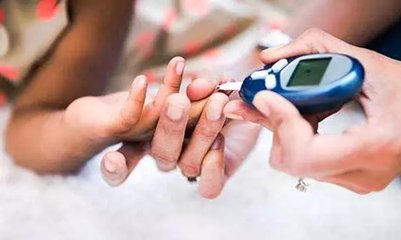
Recently, the Union Ministry of Health and Family Welfare released a comprehensive “Guidance Document on Diabetes Mellitus in Children” during the National Summit on Best Practices in Public Healthcare Service Delivery. This first-of-its-kind national framework aims to integrate the screening, diagnosis, and long-term management of childhood diabetes into India’s public health system.
Key Highlights of the Framework
1. Universal Screening and Coverage
- The framework mandates universal health screening for all children from birth to 18 years of age.
- Screening will be conducted through community platforms like Anganwadi Centres and school-based health programs.
- Mobile health teams will be deployed to identify symptomatic children in educational and childcare settings.
2. Integration with RBSK 2.0
- The government has revamped the Rashtriya Bal Swasthya Karyakram (RBSK) into RBSK 2.0.
- The original “4Ds” approach—Defects at birth, Diseases, Deficiencies, and Developmental delays—has been expanded to include Non-Communicable Diseases (NCDs) like diabetes and hypertension, as well as mental health conditions.
3. The “4Ts” Awareness Framework
To help parents, teachers, and caregivers recognize early warning signs of Type 1 Diabetes, the guidelines promote the 4Ts:
- Toilet: Frequent urination.
- Thirsty: Excessive thirst.
- Tired: Persistent fatigue.
- Thinner: Unexplained or rapid weight loss.
4. Free Lifelong Care Package
- Confirmed cases are eligible for a free, comprehensive care package at public health facilities.
- This package includes lifelong insulin therapy, glucometers, test strips, and regular diagnostic monitoring.
- The framework establishes a “continuum of care” by linking community screening with district hospitals and advanced care at medical colleges.
5. Type 1 vs. Type 2 Diabetes
| Feature | Type 1 Diabetes | Type 2 Diabetes |
| Nature | Autoimmune condition; the immune system attacks insulin-producing cells. | Metabolic/Hormonal disorder; the body becomes resistant to insulin. |
| Insulin Production | The body produces no insulin. | The body produces insulin, but cannot use it effectively. |
| Common Age | Historically called “juvenile diabetes,” usually diagnosed in children/teens. | Historically in adults, but increasingly seen in children due to obesity. |
| Prevention | Currently cannot be prevented. | Can often be prevented/managed through lifestyle and diet. |
| Treatment | Requires lifelong daily insulin injections or pumps. | Managed with diet, exercise, oral meds, or sometimes insulin. |
Q. Consider the following statements regarding the recently released ‘Guidance Document on Diabetes Mellitus in Children’ and the RBSK 2.0 guidelines:
1. The revised Rashtriya Bal Swasthya Karyakram (RBSK 2.0) focuses exclusively on screening for Non-Communicable Diseases (NCDs) like diabetes and hypertension.
2. The ‘4Ts’ framework is an awareness tool designed to help identify early warning signs of Type 2 Diabetes in adolescents.
3. Under the new framework, the government provides free lifelong insulin therapy and glucometers to children diagnosed with diabetes in public health facilities.
How many of the statements given above are correct?
A) Only one
B) Only two
C) All three
D) None
Answer: A) Only one
Solution:
● STATEMENT 1 IS INCORRECT: RBSK 2.0 does not focus exclusively on NCDs; it expands the existing "4Ds" framework (Defects, Diseases, Deficiencies, Developmental delays) to include NCDs, mental health, and behavioral conditions.
● STATEMENT 2 IS INCORRECT: The ‘4Ts’ framework (Toilet, Thirsty, Tired, Thinner) is specifically highlighted as a tool to recognize the early warning signs of Type 1 Diabetes, which often has a sudden onset in children.
● STATEMENT 3 IS CORRECT: A key feature of the new framework is the provision of a free, comprehensive care package at public health centers, which includes lifelong insulin, glucometers, and test strips.