
Important for UPSC Prelims: Economy
About Capital Expenditure (CapEx)
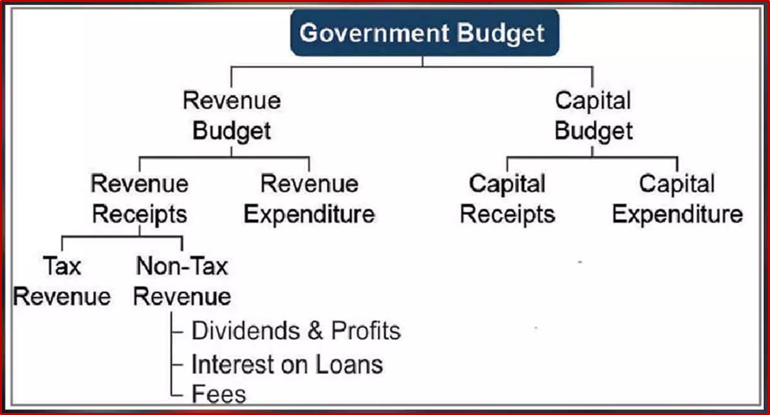
- Capital Expenditure refers to government spending on creating or improving long-term assets that enhance the productive capacity of the economy.
- It includes infrastructure projects, Defence equipment, Investments in public sector enterprises and loans to states or other entities.
About Revenue Expenditure (RevEx)
- Revenue Expenditure refers to government spending on the day-to-day functioning of the government and delivery of public services. It does not create new assets but helps in maintaining existing services and operations.
- In simple terms, it is expenditure incurred for routine and recurring activities whose benefits are generally realised within the same financial year. It includes salaries and pensions of government employees, interest payments, subsidies, grants to states, administrative expenses and maintenance of existing infrastructure.
Capital Expenditure vs Revenue Expenditure
| Basis | Capital Expenditure | Revenue Expenditure |
| Meaning | Spending that creates assets or reduces liabilities | Spending for routine functioning and services |
| Nature | Long-term investment | Recurring expenditure |
| Asset Creation | Creates assets | Does not create assets |
| Economic Impact | Increases productive capacity | Maintains existing capacity |
| Time Period | Benefits for several years | Mostly benefits within one financial year |
| Examples | Roads, bridges, defence equipment | Salaries, subsidies, pensions |
Fiscal Deficit Connection
- Fiscal Deficit = Total Expenditure – (Revenue Receipts + Non-debt Capital Receipts)
- Higher capital expenditure is generally considered growth-enhancing because it creates productive assets.